
The AI Illusion: When Dream Apartments Are Just Hallucinations
The search for a decent apartment has always been a notoriously grueling rite of passage, fraught with hidden fees, ghosting landlords, and bizarre floor...
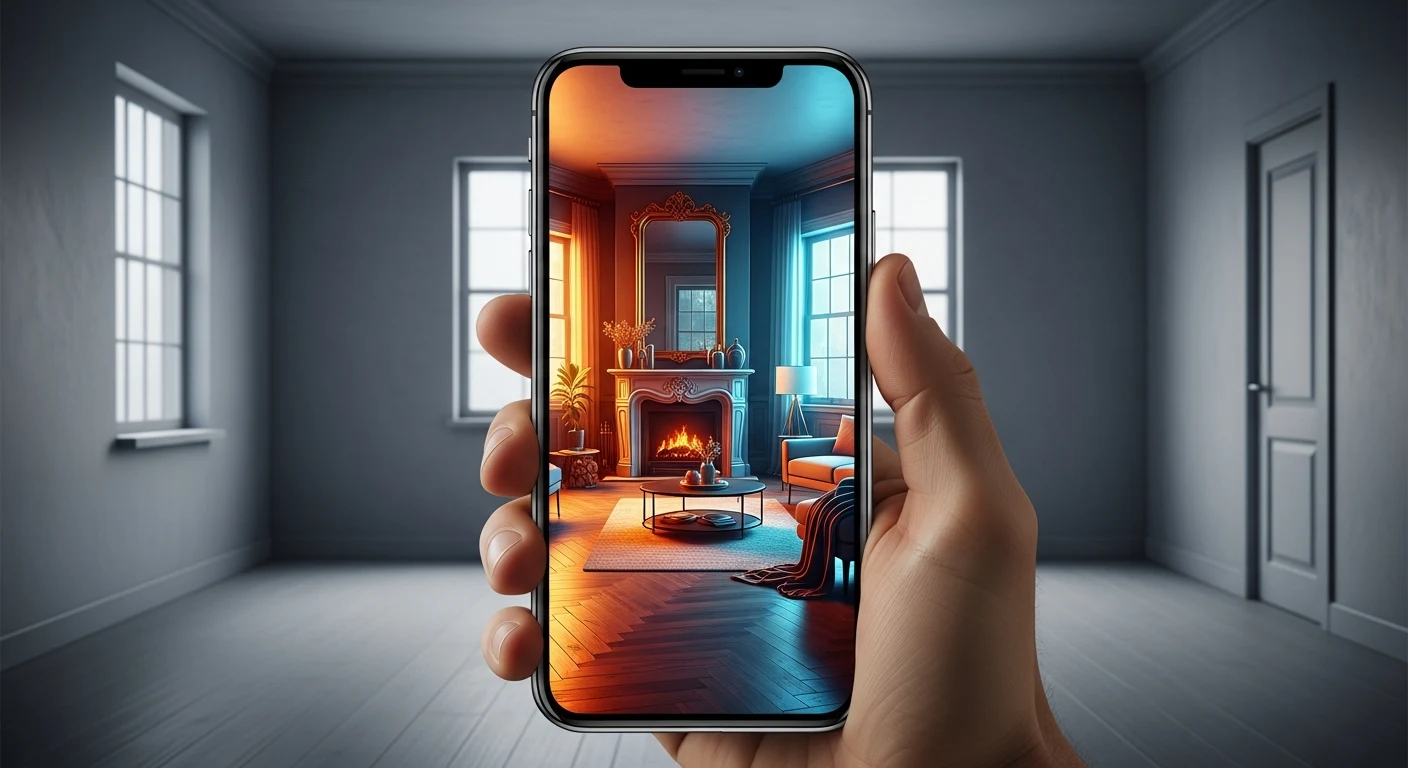
The search for a decent apartment has always been a notoriously grueling rite of passage, fraught with hidden fees, ghosting landlords, and bizarre floor plans. But today’s renters are facing an entirely new adversary in their housing hunt: artificial intelligence. The traditional "bait-and-switch" has received a high-tech upgrade, transforming the already stressful process of finding a home into a digital guessing game where seeing is no longer believing.
Take the case of Joyce, a New Yorker searching for her first solo apartment in Manhattan. After sifting through a sea of overpriced, cramped spaces, she stumbled upon what seemed like a miracle. The listing photos showed a reasonably priced, airy studio complete with a charming fireplace and a newly renovated, well-equipped kitchen. It was the kind of find that prompts renters to drop everything and rush to a viewing. When Joyce arrived, she wasn't alone—five other hopeful women were already lined up. But the excitement evaporated the moment she walked through the door. The apartment she stood in was fundamentally different from the digital paradise she had seen online.
What Joyce experienced is the dark side of "AI virtual staging." For years, real estate agents have used software to digitally drop couches and rugs into photos of empty rooms, helping buyers visualize the space. However, the latest wave of generative AI tools has blurred the line between helpful visualization and outright fabrication.
Unlike traditional virtual staging, which respects the physical boundaries of a room, AI image generators don't just add furniture—they hallucinate new realities. With a single click, an AI tool can seamlessly plaster over cracked walls, conjure up non-existent fireplaces, swap out ancient appliances for stainless steel, and bathe a gloomy basement in golden-hour sunlight.
For property managers and listing platforms, these tools are a cheap and highly effective way to drive clicks and foot traffic. But for renters, it translates to wasted time, dashed hopes, and a profound sense of manipulation. A home is one of the most significant financial and emotional commitments a person can make. When the initial decision to pursue a property is based on an AI-generated illusion, it erodes the fundamental trust required in the marketplace.
As artificial intelligence continues to democratize the ability to manipulate reality, the real estate industry faces a looming ethical crisis. Until listing platforms implement stricter transparency rules or require watermarks for AI-altered images, renters are left to navigate a landscape where the perfect apartment might just be a figment of a machine's imagination.
Key Points
- AI virtual staging tools are being used to digitally alter and enhance rental listing photos.
- These tools often go beyond adding furniture, hallucinating structural features like fireplaces or renovated kitchens.
- Renters, like a New Yorker named Joyce, are wasting time visiting properties that look nothing like their photos.
- The trend raises ethical concerns about false advertising and the erosion of consumer trust in real estate.
Why It Matters
As AI image generation becomes cheap and ubiquitous, its use in high-stakes consumer decisions like housing threatens to erode the fundamental trust required in digital marketplaces.
Sources:
- AI is cursing renters with the promise of impossible homes — The Verge - AI