
Drones Are Becoming Infrastructure. Who Sets the Rules?
For years, the public perception of drones has been largely defined by buzzing, remote-controlled gadgets used to capture sweeping cinematic shots or inspect...
For years, the public perception of drones has been largely defined by buzzing, remote-controlled gadgets used to capture sweeping cinematic shots or inspect real estate. But the era of the drone as a mere "flying camera" piloted by a human is rapidly coming to an end.
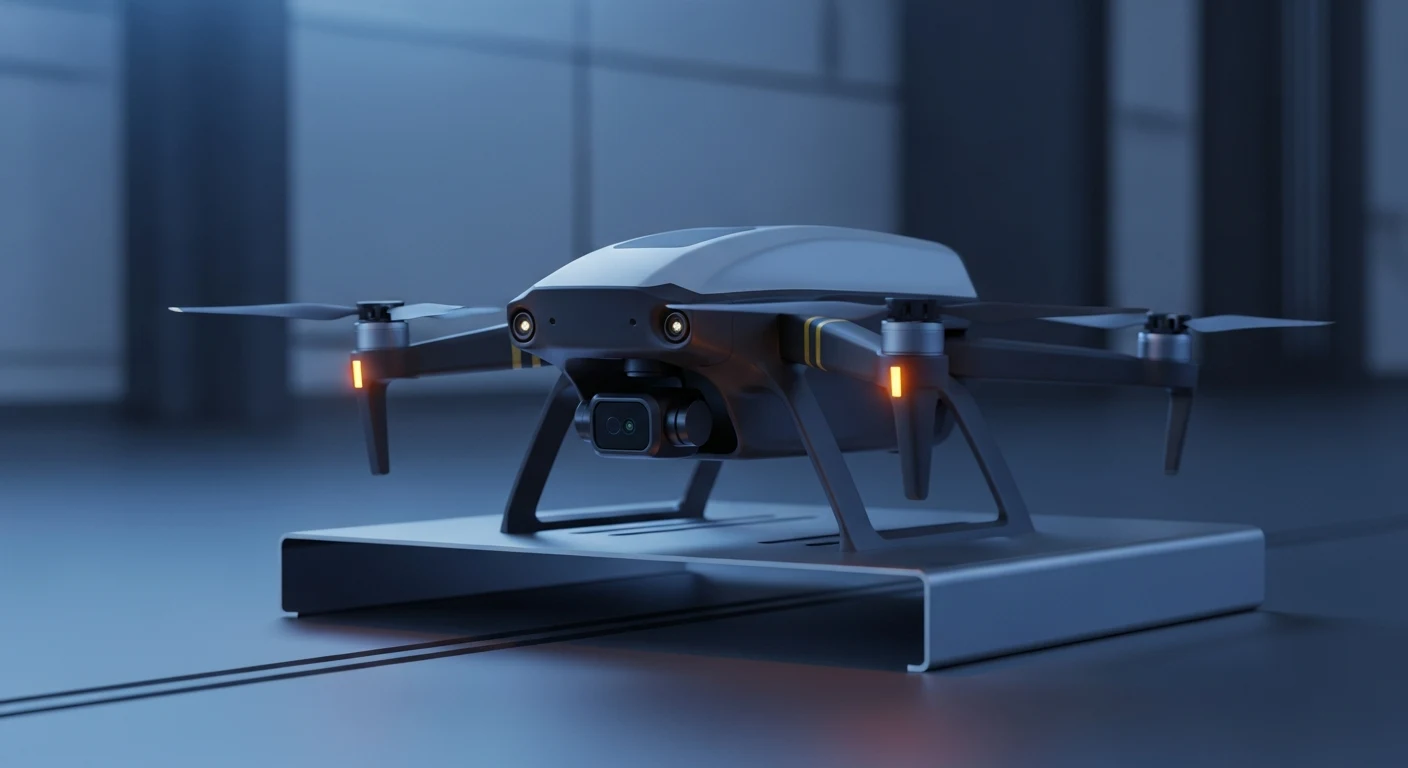
According to Adam Bry, CEO of Skydio—currently the largest drone manufacturer in the United States—the industry is crossing a major threshold. The next generation of drones will not live in backpacks. Instead, they will reside in dedicated, internet-connected docking stations, operating autonomously as permanent pieces of physical infrastructure.
Powered by advanced artificial intelligence, these "flying sensor platforms" are now capable of navigating complex environments without human intervention. They are increasingly deployed to perform high-risk, critical operations: inspecting aging energy grids, surveying massive construction sites, and assisting departments of transportation.
However, this technological leap is inextricably linked to shifting geopolitical tides. The US market experienced a seismic shift following federal bans on foreign-made drones, which effectively removed inexpensive consumer models produced by Chinese companies like DJI from government and critical enterprise use. This sudden vacuum propelled domestic companies like Skydio to the forefront, shifting their focus heavily toward lucrative enterprise and government contracts.
This pivot brings Skydio directly into the crosshairs of one of the tech industry’s most contentious debates: the intersection of artificial intelligence and military defense.
In recent years, Silicon Valley has been deeply divided over defense contracts. Employees at major tech firms have frequently protested the use of their software in military applications, demanding that companies draw strict ethical "red lines." Bry, however, pushes back against this prevailing tech-hub sentiment. He argues that it is not the place of Silicon Valley executives to unilaterally dictate the moral boundaries of defense technology, suggesting a willingness to align advanced AI capabilities with national security interests.
This stance highlights a growing fracture in how technology companies view their societal responsibilities. When an AI system is capable of autonomously navigating a drone through a dense forest or a combat zone, the stakes are profoundly different than algorithms generating text or classifying images.
We are witnessing the transformation of drones from recreational tools into autonomous, critical infrastructure. As these intelligent machines become embedded in the daily operations of utilities, police forces, and militaries, the conversation must evolve. The most pressing question is no longer whether AI can fly a drone safely, but how society will govern the autonomous eyes we are placing in the sky.
Key Points
- The drone industry is shifting from human-piloted tools to autonomous, internet-connected infrastructure.
- US bans on foreign-made drones have dramatically reshaped the market, pushing domestic makers toward enterprise and defense.
- AI-powered drones are now actively used for high-risk industrial inspections and military operations.
- Skydio's CEO challenges the Silicon Valley norm, arguing tech companies shouldn't draw ethical 'red lines' for military AI use.
Why It Matters
As drones evolve into autonomous infrastructure for critical industries and the military, the debate over AI ethics moves from theoretical software risks to tangible, physical consequences in the real world.
Sources: