
From Eyes to Hands: The Era of Interventional Police Drones
For years, police drones have served primarily as "eyes in the sky," passively recording crime scenes, assessing traffic accidents, or tracking fleeing...
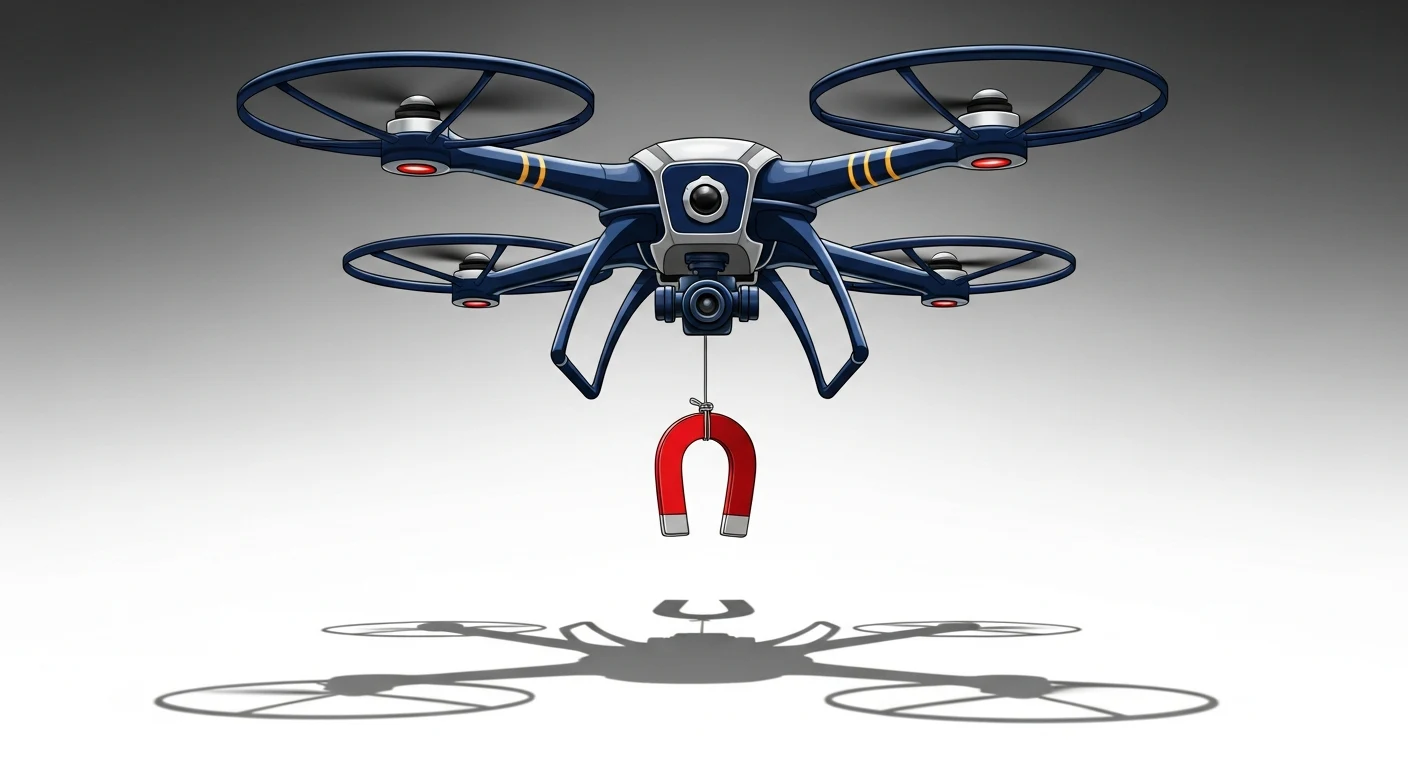
For years, police drones have served primarily as "eyes in the sky," passively recording crime scenes, assessing traffic accidents, or tracking fleeing suspects from a safe distance. But recently, a small quadcopter in California crossed a major operational threshold: it transitioned from being the eyes of the police to acting as their hands.
In what is being touted as a nationwide first, the Sacramento County Sheriff’s Office deployed a drone not just to surveil a suspect, but to physically disarm him. The situation unfolded when a known felon, armed with both a firearm and a knife, was cornered in a garage by a SWAT team. Unresponsive to negotiators, the suspect posed a highly volatile threat.
Instead of forcing a potentially deadly physical breach, operators flew a drone equipped with a dangling magnet over the motionless suspect. With surprising precision, the drone snatched the blade directly from his outstretched hand. The department later celebrated the successful de-escalation by sharing a dramatic, heavily edited video of the operation on social media, complete with the iconic theme music from the Mission: Impossible film franchise.
While hundreds of police and sheriff's departments across the United States currently utilize camera-equipped drones, this incident marks a significant pivot in how robotics are applied in domestic law enforcement. Utilizing a simple magnet to safely remove a weapon is an undeniably clever and resourceful tactic. It achieved the ultimate goal of policing: neutralizing a threat without loss of life or injury to either the officers or the suspect.
However, the success of this operation also invites crucial conversations about the future of remote-controlled policing. Moving from passive observation to active physical intervention opens a complex ethical frontier. If a drone can be used to deploy a magnet today, the technological leap to deploying tasers, pepper spray, or other force-multiplying tools tomorrow is incredibly short. When law enforcement officers can physically interact with citizens from behind a screen miles away, the physical risks to officers decrease dramatically, but the psychological barriers to deploying force may also lower.
Furthermore, the gamification of the event—packaging a life-or-death standoff into a slick, movie-style social media reel—raises questions about public perception and the solemnity of state-sanctioned force. As drones inevitably become more integrated into tactical responses, society must proactively decide where to draw the line. The technology to intervene remotely is already here; the regulations and ethical frameworks to govern it, however, are still struggling to take flight.
Key Points
- The Sacramento County Sheriff’s Office successfully used a drone equipped with a magnet to disarm a cornered suspect.
- This event represents a shift in drone usage from passive aerial surveillance to active physical intervention.
- While the tactic safely de-escalated a dangerous standoff, it raises ethical questions about the future weaponization of police drones.
- The department's use of action-movie music in their promotional video highlights a growing trend of gamifying police operations on social media.
Why It Matters
As drones evolve from surveillance tools to active participants in tactical police operations, communities must grapple with the ethical implications of remote-controlled law enforcement and the potential for future escalation.
Sources: