
The Geopolitical Kill Switch in AI
When we think of artificial intelligence risks, we usually imagine rogue algorithms, biased decision-making, or massive data breaches. But a recent,...
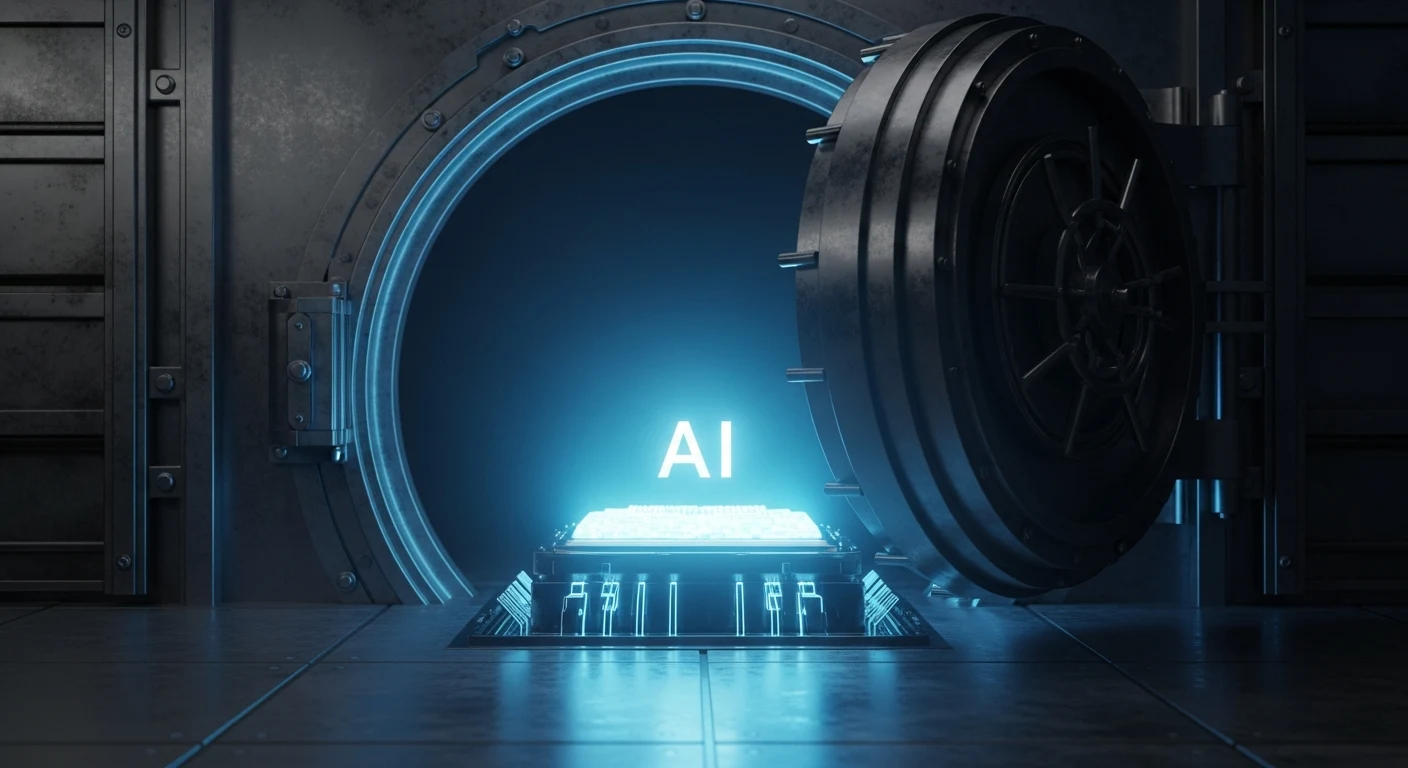
When we think of artificial intelligence risks, we usually imagine rogue algorithms, biased decision-making, or massive data breaches. But a recent, unprecedented weekend shutdown revealed a completely different kind of vulnerability: the geopolitical kill switch.
In a sudden and sweeping move, the US administration ordered Anthropic—one of the world's leading AI labs—to restrict access to its most advanced models, Fable 5 and Mythos 5. The mandate was incredibly strict, demanding the company block all foreign nationals from using the systems. Strikingly, this restriction extended even to Anthropic’s own non-US employees. The frontier models were pulled offline with virtually no warning or detailed public explanation, despite already having established safety guardrails in place.
This incident serves as a stark wake-up call for the global tech community. It vividly demonstrates that while frontier AI might feel like a borderless digital utility available to anyone with an internet connection, its physical and legal infrastructure is heavily centralized. The United States doesn't just lead in creating the world's most capable AI models; it holds the unilateral power to decide who gets to plug into them.
Consequently, this abrupt restriction has inadvertently become the strongest argument yet for the development of "Sovereign AI." For years, startups, enterprises, and governments worldwide have comfortably built their digital futures on top of American AI application programming interfaces (APIs). It was cost-effective and efficient. Now, the realization that these foundational tools can be revoked overnight by a single government's decree is rapidly shifting global tech priorities.
Nations and regional blocs are recognizing that relying on foreign tech giants for core AI capabilities is akin to outsourcing their national power grids. We are likely to see a massive acceleration in countries investing heavily to build, train, and maintain their own localized AI models. These sovereign systems will be designed to operate independently of US policy shifts, trained on local languages and cultural contexts, and stored on domestic servers to ensure that local tech economies aren't held hostage by foreign political directives.
The illusion of a purely open, globally shared AI ecosystem has been fractured. As artificial intelligence cements its role as the fundamental engine of the modern economy, the global race is evolving. It is no longer just about who can build the smartest model, but who truly owns and controls the keys to the server room.
Key Points
- Anthropic was forced by the US government to restrict access to its Fable 5 and Mythos 5 models.
- The ban applied to all foreign nationals, including Anthropic's own non-US workforce.
- The abrupt shutdown highlights the risks of a highly centralized, US-dominated AI infrastructure.
- This event is expected to accelerate global investments in "Sovereign AI" to ensure technological independence.
Why It Matters
As AI becomes as essential as electricity, relying on a single nation's infrastructure creates massive strategic vulnerabilities, accelerating the push for localized, independent AI ecosystems worldwide.
Sources:
- Trump’s Anthropic shutdown just made the case for non-American AI — The Verge - AI