
The Cloud Hits the Ground: A Small Town’s Fight Against an AI Data Center
The "cloud" is a brilliant marketing term. It evokes something weightless, silent, and ethereal. But the physical reality of artificial intelligence is quite...
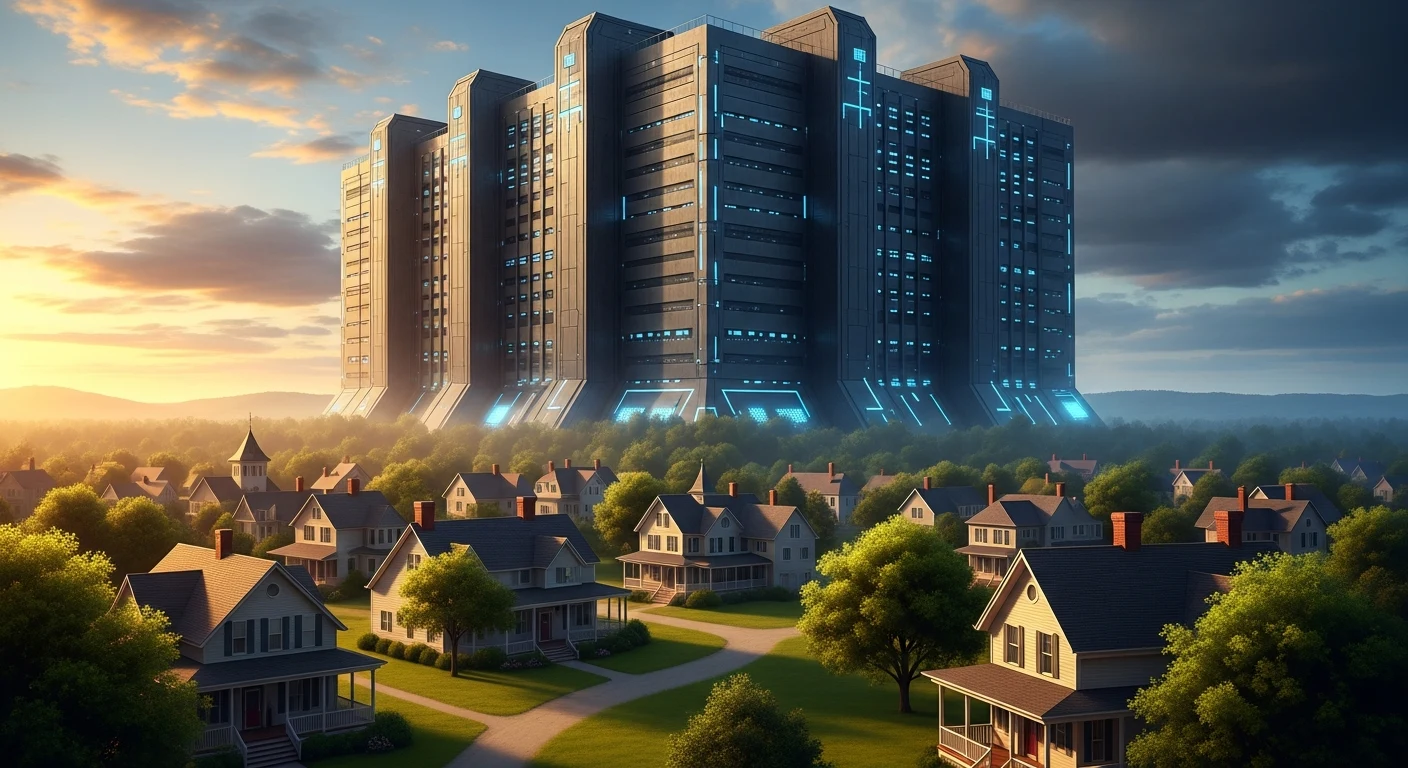
The "cloud" is a brilliant marketing term. It evokes something weightless, silent, and ethereal. But the physical reality of artificial intelligence is quite the opposite: it is made of steel, concrete, humming cooling fans, and an insatiable appetite for water and electricity. As AI companies race to build the infrastructure required to power their next-generation models, this heavy, resource-intensive reality is landing squarely in the backyards of small-town America.
In Ypsilanti Township, Michigan, the collision between global tech ambitions and local life has reached a boiling point. The University of Michigan, in partnership with the Los Alamos National Laboratory, is proposing a massive new AI data center in the community. Its intended purpose includes running complex simulations for the development of U.S. nuclear weapons.
The reaction from the community has been swift and overwhelmingly hostile. At a recent township board meeting, residents and local officials united in their opposition, with the board supervisor vowing to fight the construction to their "very last breath." Their concerns are rooted in the very tangible impacts of housing a massive computing warehouse: the potential for skyrocketing local electricity rates, the depletion of local water resources for cooling, and the relentless noise pollution generated by the facility. Beyond environmental factors, the specific use-case of nuclear weapons simulation has sparked profound ethical objections, with one resident quoting from John Hersey's Hiroshima to underscore the human cost of nuclear warfare.
The township's fears are amplified by a cautionary tale unfolding just down the road. In neighboring Saline Township—a quiet community of just 2,300 people—a recent groundbreaking for an Oracle and OpenAI data center has already left deep scars. The fight over that facility was so contentious that the local township treasurer resigned in tears during a public meeting. For Ypsilanti residents, Saline is a stark preview of what happens when trillion-dollar tech enterprises and state-level economic ambitions steamroll local concerns.
The resistance in Ypsilanti is getting creative. Faced with the daunting prospect of fighting well-funded institutions and state political machinery, residents are looking for unconventional levers of power. One local even suggested adopting tactics from the WWII-era OSS Simple Sabotage Field Manual—urging board members to use bureaucratic red tape, slow agendas, and rigid adherence to procedure to stall the project indefinitely.
As the AI boom accelerates, the bottleneck may not be silicon or data, but land and local consent. The events in Michigan highlight a growing friction point in the tech revolution. Artificial intelligence may operate in the digital realm, but its footprint is undeniably physical. Bridging the gap between the staggering infrastructure needs of the AI industry and the rights of the communities asked to host them will be one of the defining challenges of the next decade.
Key Points
- Ypsilanti Township is fighting a proposed AI data center partnered with the University of Michigan and Los Alamos National Lab.
- The facility's intended use for nuclear weapons simulations has sparked deep ethical and environmental concerns among residents.
- A neighboring Oracle/OpenAI data center project in Saline Township recently caused severe local political division.
- Residents are proposing unconventional tactics, including bureaucratic sabotage, to halt the construction.
- The conflict highlights the growing tension between the massive physical footprint of AI infrastructure and local community rights.
Why It Matters
The friction in Michigan demonstrates that the rapid scaling of AI is no longer just a digital or regulatory issue, but a physical one involving zoning, resource allocation, and the sovereignty of local communities.
Sources: