
Beyond Pixels: Midjourney's Surprising Leap into Medical Scanning
When you think of Midjourney, you likely picture surreal digital landscapes, hyper-realistic portraits, or perhaps just endless variations of cute cats...
When you think of Midjourney, you likely picture surreal digital landscapes, hyper-realistic portraits, or perhaps just endless variations of cute cats generated by text prompts. But the company’s latest venture isn't happening on a two-dimensional screen—it's happening inside the human body.
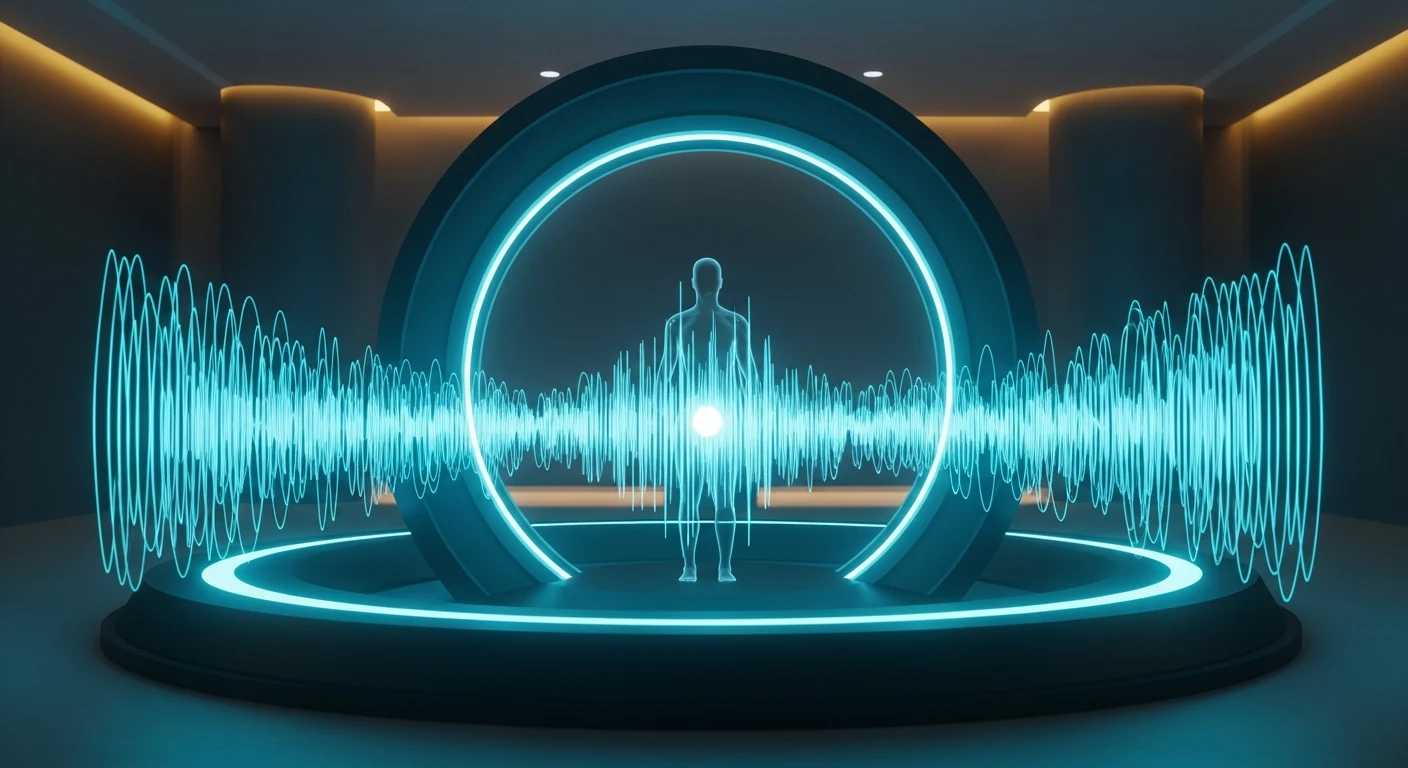
In a highly unexpected pivot from software to physical hardware, Midjourney CEO David Holz recently unveiled the company's first physical product: "The Midjourney Scanner." It is an ultrasound-based, full-body scanning device designed to peer beneath our skin. Instead of generating fictional pixels from text, this machine uses a sophisticated ring of sensors to capture vertical slices of a person's actual anatomy, mapping out the precise composition of muscle, fat, bone, and internal organs.
The boldest claim surrounding this new hardware is its target fidelity. According to Holz, the scanner aims to achieve image quality that is comparable to an MRI in many respects. Traditional MRI machines are massive, prohibitively expensive, and typically reserved for strict clinical diagnostics in hospital settings. Ultrasound, on the other hand, is generally cheaper and safer but historically lacks the crystal-clear resolution of an MRI scan.
This is exactly where an AI image-generation company might have a hidden advantage. Reconstructing noisy data into high-fidelity, clear images is a fundamental strength of modern artificial intelligence. By leveraging advanced computational models—similar to those that turn vague prompts into detailed art—Midjourney hopes to process raw ultrasound signals into pristine, highly detailed medical scans, making high-resolution body mapping far more accessible than ever before.
The vision for this technology extends far beyond the traditional doctor's office. Holz envisions a future where health monitoring is deeply personal, preventative, and remarkably frequent. He suggested that individuals could undergo these non-invasive scans annually, or even daily, to track their physical health in real-time. The implications for preventative care are enormous, potentially shifting how we interact with our own biological data on a daily basis.
To introduce this futuristic concept to the public in a relaxed, non-clinical environment, the company is planning to build a dedicated spa in San Francisco. This facility aims to blend wellness culture with cutting-edge AI diagnostics, making the act of looking inside your body as routine as a massage.
This leap from generative art to medical imaging illustrates a fascinating broader trend in the tech industry: AI companies are beginning to apply their massive computational and visual data expertise to the physical world. If Midjourney can successfully bridge the gap between generating digital art and decoding human anatomy, the next great frontier for artificial intelligence won't just be what it can imagine, but how deeply it can understand the physical reality of our own bodies.
Key Points
- Midjourney has announced its first hardware product: an ultrasound-based full-body scanner.
- The device uses a ring of sensors to capture internal anatomy and aims for MRI-comparable image quality.
- CEO David Holz envisions people using the scanner yearly or daily for preventative health tracking.
- The company plans to open a spa in San Francisco to introduce the technology to the public.
Why It Matters
By applying its deep expertise in image processing to ultrasound technology, Midjourney could democratize access to high-resolution medical imaging and revolutionize preventative health monitoring.
Sources: