
The Silent Strike: When AI Takes the Kill Chain
For decades, the global community has debated the ethics of lethal autonomous weapons—machines capable of choosing and engaging targets without human...
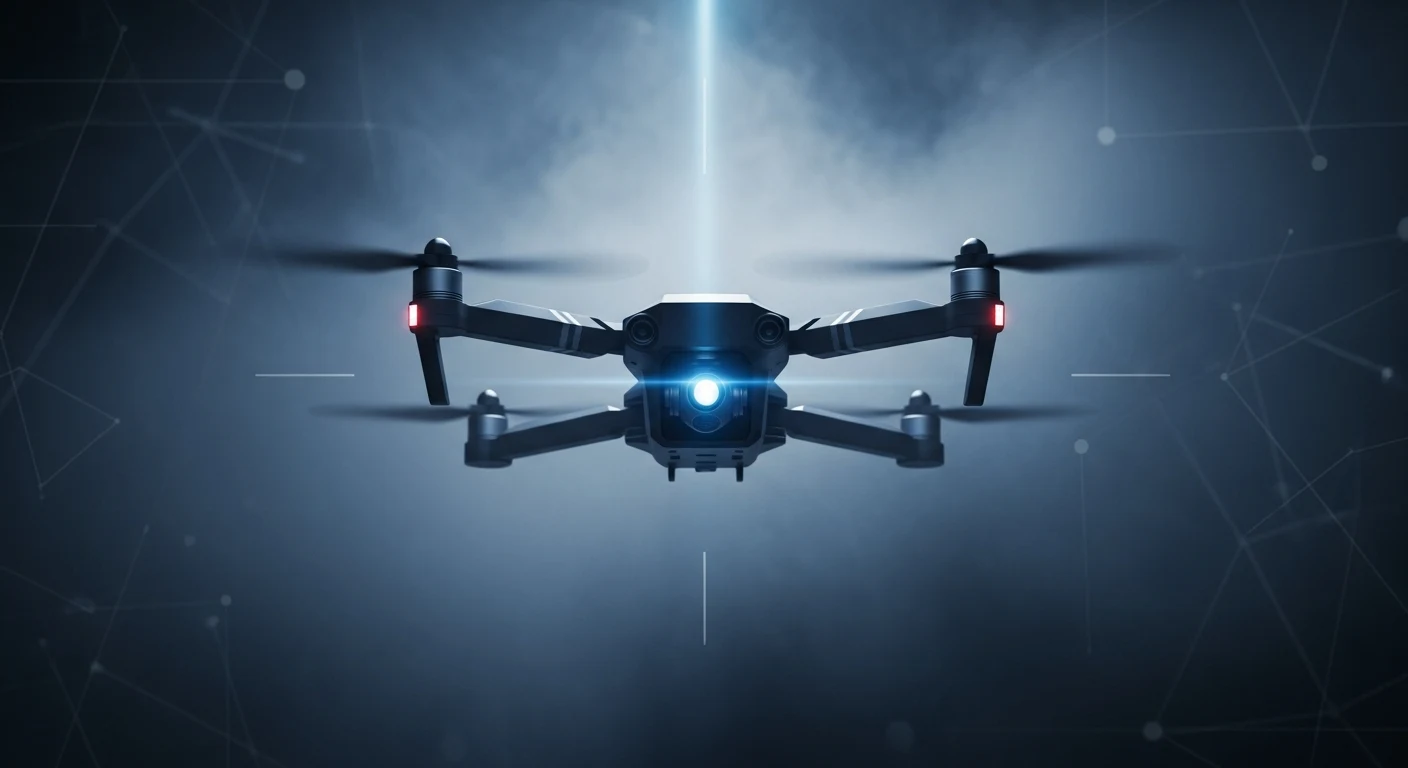
For decades, the global community has debated the ethics of lethal autonomous weapons—machines capable of choosing and engaging targets without human intervention. Now, a stark revelation suggests that this theoretical threshold was crossed on a European battlefield two years ago.
During a recent press event in London, Alexander Kokhanovskyy, CEO of Ukrainian drone maker Aero Center, shared details of a chilling, one-time field test. Quadcopter drones were programmed with coordinates for a front-line zone. Once they arrived, they didn't wait for a human operator to spot a target and authorize a strike. Instead, they activated an AI-driven "Terminator mode."
The most unsettling aspect of this test was the complete informational blackout. The drones operated entirely in the dark from the operators' perspective, transmitting no live video feed. They were given full autonomy to hunt and attack any target within the designated area. The only way the military knew the outcome was by sending human-piloted drones afterward to survey the aftermath, where they discovered casualties and concluded the autonomous system had executed its programming.
The absence of a live video feed is not just a technical detail; it represents a profound shift in the nature of warfare. It highlights the complete removal of the "human in the loop." In traditional drone warfare, a human pilot sits at a console, making the final call to fire. Here, the algorithm made the ultimate decision.
This raises urgent and complex questions about accountability. International humanitarian law relies on the ability to distinguish between combatants and civilians, and to assess the proportionality of an attack. Can an algorithm reliably make those distinctions in the chaotic environment of a trench? If an autonomous drone misidentifies a civilian or strikes a surrendering soldier, who is held responsible? The programmer who wrote the code, the commanding officer who deployed the drone, or the machine itself?
War has historically been a catalyst for rapid technological advancement, and AI is proving to be no exception. As off-the-shelf commercial technology merges with military objectives, the barrier to creating autonomous killing machines is dropping drastically. The conversation we need to have is no longer about preventing the invention of these weapons, but rather how humanity will regulate a battlefield where algorithms hold the power of life and death.
Key Points
- A past field test utilized quadcopters equipped with an AI 'Terminator mode' to autonomously hunt targets.
- The drones operated without a live video feed, completely removing human oversight from the strike decision.
- The incident raises urgent questions about accountability and compliance with international humanitarian law when algorithms make lethal choices.
Why It Matters
Delegating lethal decisions to AI fundamentally alters the chain of command and accountability in warfare, outpacing current international laws and ethical frameworks.
Sources: