
Wanted: Ecosystem Pharmacist
If you were to browse job listings a decade from now, you might stumble upon a peculiar title: "Nature’s Drug Designer." While billions of dollars are...
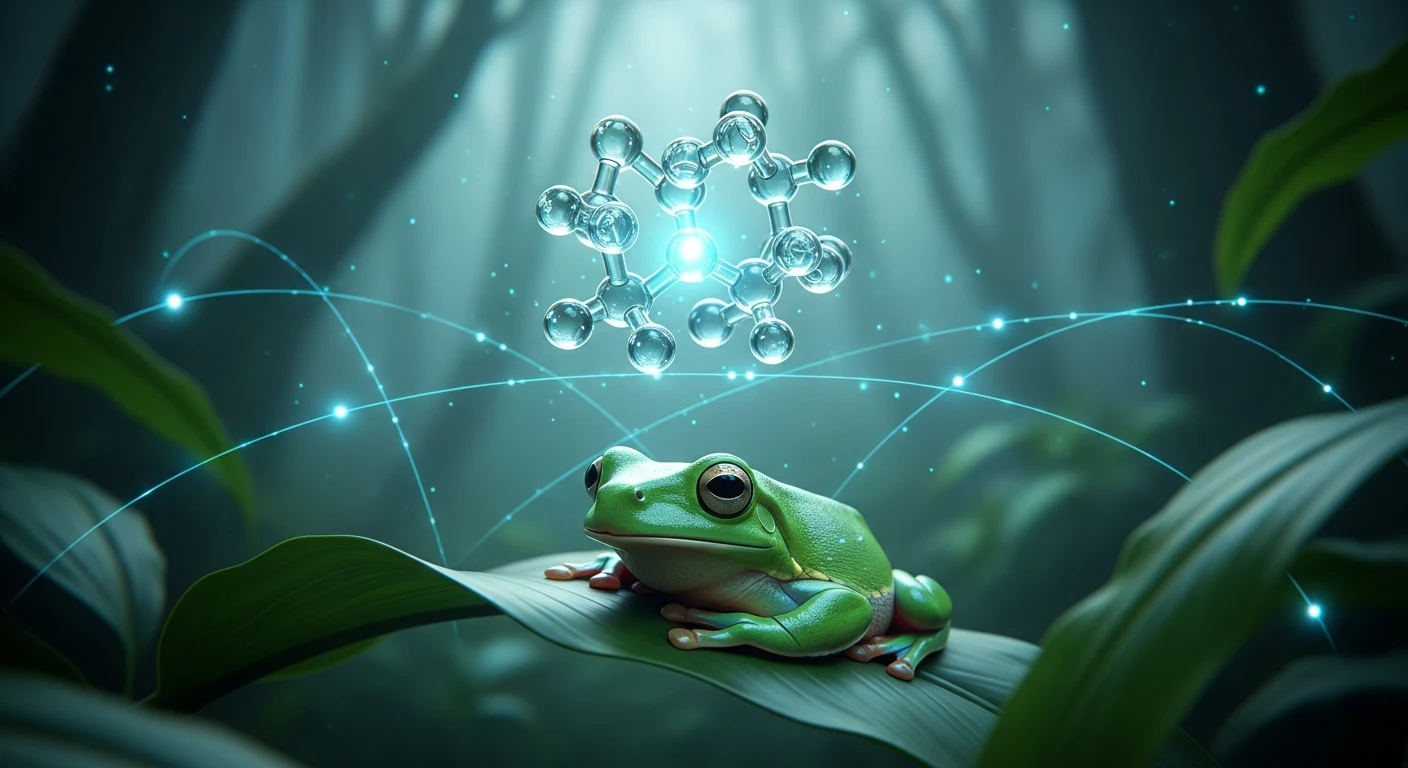
If you were to browse job listings a decade from now, you might stumble upon a peculiar title: "Nature’s Drug Designer." While billions of dollars are currently poured into artificial intelligence to cure human ailments, a quiet revolution is taking shape in the wild. The patients aren't humans in hospital beds—they are sea turtles, amphibians, and ancient trees.
Chemist Tim Cernak is at the forefront of this movement, pioneering a nascent field known as "conservation chemistry." Instead of focusing on the next blockbuster pharmaceutical for humans, Cernak is utilizing advanced AI systems, most notably Google DeepMind’s AlphaFold, to engineer targeted medications for fragile ecosystems.
Historically, treating diseases in the wild has been a blunt-force effort. Consider the devastating chytrid fungus, which has driven dozens of amphibian species to the brink of extinction, or the various blights decimating global forests. When conservationists attempt to intervene, the traditional response often involves broad-spectrum chemicals that can cause severe collateral damage to the surrounding environment, wiping out beneficial soil microbes or harming other animals in the food web.
AI offers a sniper-like precision previously thought impossible for wildlife. Because AlphaFold can accurately predict the 3D structures of proteins across virtually any species, scientists can now map the specific biological targets of diseases afflicting wildlife. By feeding biological data into these computational models, researchers can design custom molecules that bind only to the pathogen harming a specific frog or tree.
Conservation chemistry represents a profound paradigm shift. It merges the urgency of environmental biology with the cutting-edge computational power of modern pharmacology. Cernak’s work proves that the same algorithms that predict how a cancer drug interacts with human cells can be recalibrated to save a dying oak tree.
This development highlights a remarkably different trajectory for artificial intelligence. Beyond generating code or optimizing supply chains, AI is being deployed as an active, precise guardian of biodiversity. As the climate shifts and ecological pressures mount, the ability to rapidly design safe, species-specific treatments may become one of our most vital tools in preserving the natural world.
Key Points
- A new discipline called 'conservation chemistry' focuses on creating medicines for wildlife and ecosystems.
- Chemist Tim Cernak uses AI models like AlphaFold to design treatments for animals like frogs and sea turtles.
- Unlike broad-spectrum chemicals, AI allows for targeted drugs that kill specific pathogens without harming the broader environment.
- This application proves AI's value in biodiversity and ecological preservation, expanding its role beyond human-centric uses.
Why It Matters
It demonstrates that the same AI tools revolutionizing human medicine can be adapted to save endangered species and ecosystems, offering a high-tech lifeline for global biodiversity.
Sources:
- Job titles of the future: Nature’s drug designer — MIT Technology Review - AI