
The End of the Unedited Reality: Apple's AI Photo Pivot
Photography has always been a subtle negotiation with reality, from early darkroom dodging and burning to the advent of digital filters. But at WWDC 2026,...
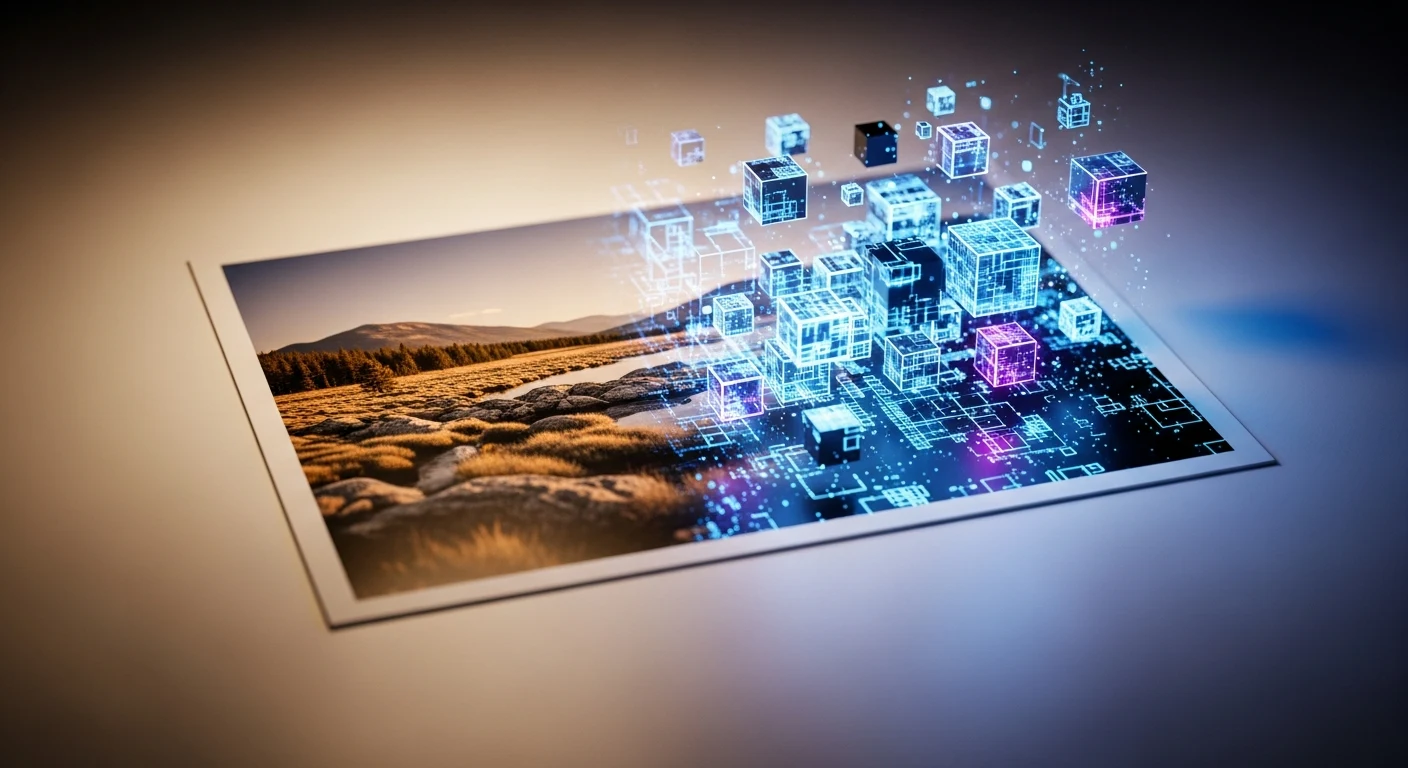
Photography has always been a subtle negotiation with reality, from early darkroom dodging and burning to the advent of digital filters. But at WWDC 2026, Apple made a quiet yet profound concession: the battle to preserve the strict objective truth of a photograph is over.
During its latest developer conference, Apple unveiled a suite of generative AI-powered editing tools that allow users to effortlessly manipulate and alter their images. What caught the attention of industry observers wasn't just the sophistication of the technology, but the presentation itself. Throughout the showcase, Apple did not explicitly flag which images were authentic captures of light and which were conjured or heavily altered by artificial intelligence. To Apple's ecosystem, they are all simply "photos."
This represents a stark philosophical pivot for the company. Just two years ago, when Apple introduced its "Clean Up" feature—an AI object removal tool akin to Google's Magic Eraser—the company's tone was markedly different. At the time, Apple's software chief Craig Federighi publicly wrestled with the ethical implications of the technology, emphasizing the importance of not distorting our perception of the world. Apple seemed determined to draw a line in the sand against the unchecked proliferation of generative fakery in personal memory keeping.
Now, that line appears to have been washed away. By integrating seamless, frictionless reality-distortion tools directly into the default camera and photo apps of hundreds of millions of devices, Apple is normalizing a new kind of visual culture.
We are moving from an era of "capturing the moment" to "curating the vibe." When removing an ex-partner from a vacation shot or generating a better sunset becomes as routine as cropping an image, the fundamental trust we place in visual evidence degrades. The pressing question for society is no longer just how to detect AI alterations, but whether we actually prefer the sanitized, algorithmically perfected illusions over the messy reality of our actual lives.
Key Points
- At WWDC 2026, Apple introduced powerful AI tools that allow effortless image manipulation.
- The company did not distinguish between real and AI-altered images during its presentation, calling them all 'photos'.
- This is a major shift from two years ago, when Apple executives expressed concern over AI distorting reality.
- The mainstream integration of these tools fundamentally changes the public's relationship with photographic truth.
Why It Matters
When a dominant platform like Apple normalizes AI-altered images as standard 'photos,' it fundamentally erodes the traditional role of photography as a reliable documentary record, shifting our culture toward subjective memory curation.
Sources:
- Apple is embracing the fantasy of AI photo editing — The Verge - AI