
Blind Spots in the Algorithm: When AI Security Fails
In the ongoing effort to secure vulnerable public spaces, artificial intelligence is frequently marketed as a tireless, unblinking guardian. Schools and...
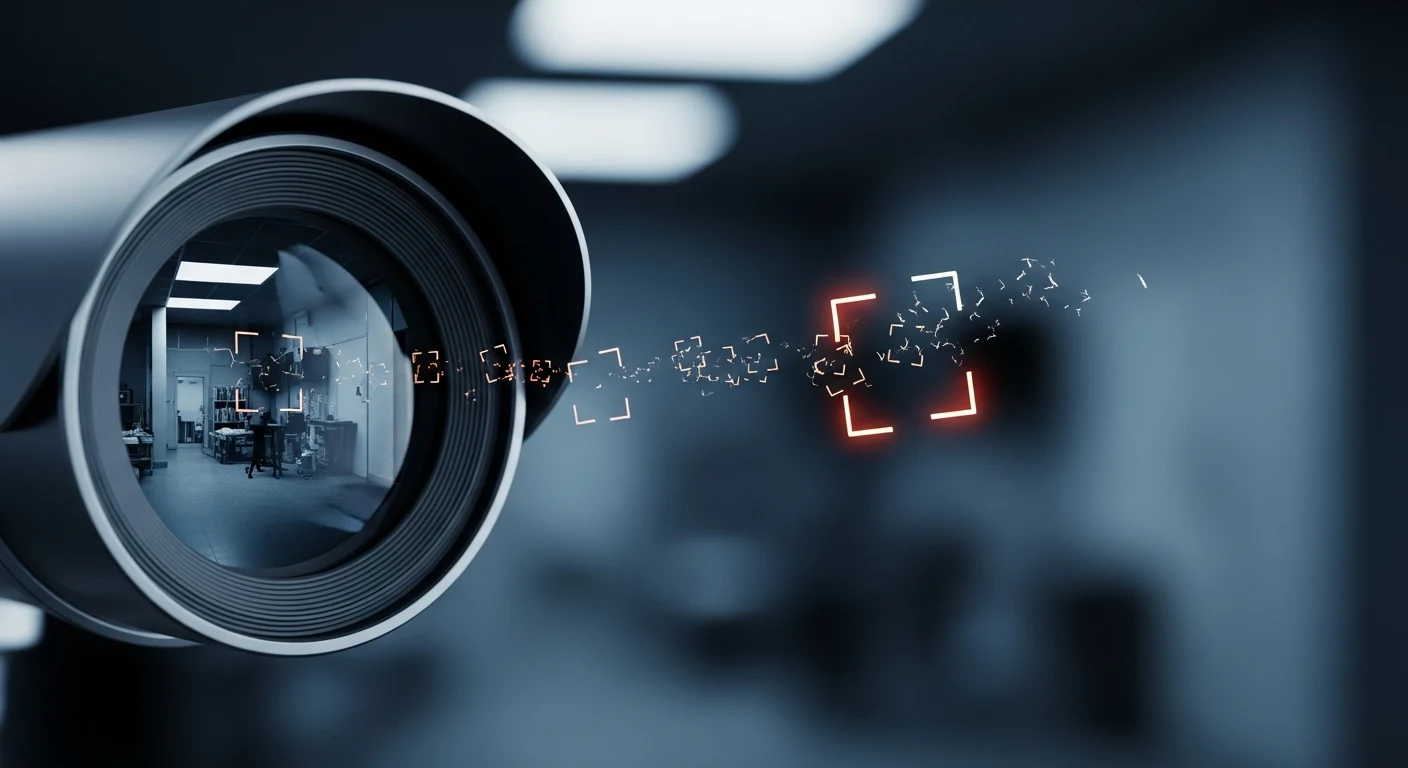
In the ongoing effort to secure vulnerable public spaces, artificial intelligence is frequently marketed as a tireless, unblinking guardian. Schools and institutions are increasingly turning to automated systems to spot threats faster than a human ever could. But what happens when the real world proves too complex and messy for the algorithm to comprehend?
A lawsuit filed recently in a Tennessee court is bringing this exact question into sharp, devastating focus. Following a tragic January 2025 shooting at a Nashville high school that left two people dead—including the shooter—a teenage survivor is suing Omnilert, the manufacturer of the school’s AI gun detection system, along with its reseller, System Integrations. The core of the legal complaint is as simple as it is alarming: The AI system completely failed to detect the handgun used in the attack.
This legal battle shifts the conversation from theoretical AI risks to tangible, real-world consequences. The lawsuit, filed in Davidson County, alleges that the security firm knew, or should have known, about significant operational blind spots in its software. Unlike code running in a perfectly controlled digital environment, physical AI systems are entirely at the mercy of their physical surroundings. Factors such as poor lighting, awkward camera angles, the distance between the lens and the weapon, and how a gun is carried can instantly render a sophisticated computer vision model useless.
The promise of AI in physical security is undeniably appealing, offering the possibility of saving precious seconds during an active emergency. Yet, the Nashville tragedy exposes the dangerous gap between marketing claims and operational reality. When AI is sold as a definitive solution rather than a supplementary tool, it can create a false sense of security among administrators, students, and parents.
The companies involved have not publicly commented on the litigation, but the implications of this case extend far beyond a single school district. It sets the stage for a new era of legal scrutiny regarding AI accountability. If a school purchases an AI system to save lives, who bears the blame when technical limitations result in tragedy?
Moving forward, the tech industry will likely face intense pressure to be more transparent about the failure rates and environmental constraints of their models. Buyers of these systems will need to ask harder questions before signing contracts, ensuring they understand exactly what the AI cannot do. Ultimately, the lawsuit forces society to confront a difficult truth: while we can program machines to look for danger, we cannot yet program them to navigate the unpredictable chaos of the physical world with absolute certainty.
Key Points
- A teenage survivor of a Nashville school shooting is suing the AI security firm Omnilert.
- The school's AI gun detection system failed to spot the weapon during the January 2025 attack.
- The lawsuit highlights how real-world variables like lighting and camera angles severely limit AI vision models.
- The case sets a significant precedent for legal accountability when AI safety systems fail in physical environments.
Why It Matters
As AI expands into high-stakes physical security, this lawsuit exposes the critical need to understand algorithmic blind spots and establish legal accountability when automated systems fail to protect human lives.
Sources: