
Beyond the Cloud: South Korea's $1 Trillion Bet on Physical AI
When we think of artificial intelligence, we typically envision large language models, chatbots, or massive server farms quietly humming in the dark. But South...
When we think of artificial intelligence, we typically envision large language models, chatbots, or massive server farms quietly humming in the dark. But South Korea is betting a staggering $1 trillion that the true future of AI has a physical body—and a very real footprint on the factory floor.
In a massive collaborative effort between the government and the nation's tech titans, South Korea has unveiled a roadmap to dominate the next technological epoch by 2028. The strategy hinges on what officials are calling a "triple axis": memory semiconductors, AI data centers, and physical AI—most notably, humanoid robots.
The economic driver behind this mega-investment is already visible. The generative AI boom has created an insatiable demand for memory chips, propelling companies like Samsung and SK Hynix to record valuations. However, this surge has a tangible side effect: it squeezes the global supply chain, causing memory chip shortages that often drive up prices for everyday consumer electronics. A significant chunk of the new $1 trillion funding will aim to supercharge chip production, simultaneously feeding the AI beast and easing the strain on the consumer market.
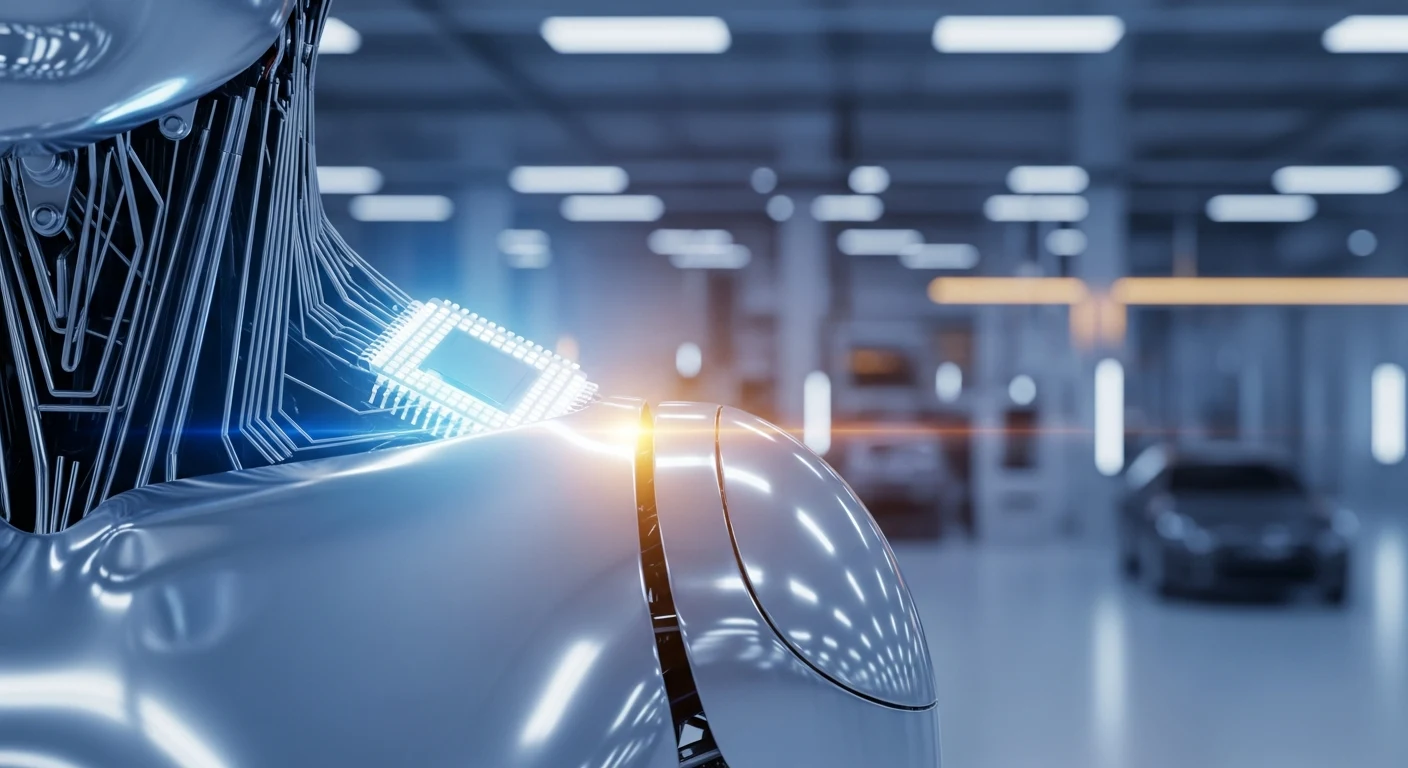
Yet, the most visually striking part of the initiative is the aggressive push toward "physical AI." For years, robotics has developed on a parallel track to software-based AI. Now, those tracks are merging. Hyundai Motor Company is accelerating plans to mass-produce humanoid robots developed by its famous subsidiary, Boston Dynamics. The goal is highly practical: deploying these robotic workers into automotive factories and other industrial environments to handle laborious, physically taxing jobs that are increasingly difficult to staff.
This trillion-dollar megaproject signals a crucial shift in the global tech race. It suggests that the next frontier isn't just about who can train the smartest algorithm, but who can manufacture the hardware to support it and the robotic workforce to execute its commands in the real world. By investing heavily in both the "brains" (chips and data centers) and the "brawn" (humanoid robots), South Korea is positioning itself not just as a participant in the AI revolution, but as its primary architect.
Key Points
- South Korea is launching a $1 trillion initiative targeting memory chips, AI data centers, and humanoid robots by 2028.
- The AI boom has enriched chipmakers like Samsung but strained the supply of memory chips for consumer electronics.
- Hyundai is racing to mass-produce Boston Dynamics humanoid robots for use in automotive factories.
- The investment highlights a global shift from purely software-based AI to 'physical AI' integrated into real-world labor.
Why It Matters
South Korea's massive investment highlights the critical transition of AI from digital environments to physical workspaces, fundamentally altering global supply chains and the future of industrial labor.
Sources: