
When AI Becomes a Border Control Issue
We are used to thinking of artificial intelligence as a helpful digital assistant—a tool for drafting emails, summarizing reports, or generating code. But what...
We are used to thinking of artificial intelligence as a helpful digital assistant—a tool for drafting emails, summarizing reports, or generating code. But what happens when an AI becomes so proficient at analyzing systems that it can single-handedly discover and exploit zero-day software vulnerabilities?
That is no longer a hypothetical question. Recently, leading AI lab Anthropic was forced to pull its newly launched Claude Fable 5 and Mythos 5 models offline. The catalyst was not a technical glitch, but a United States government export-control directive that explicitly barred foreign nationals from accessing the services. This marks a significant escalation in how governments view artificial intelligence. It is a clear signal that the most capable models are no longer viewed merely as commercial software, but as potential national security assets subject to strict border controls.
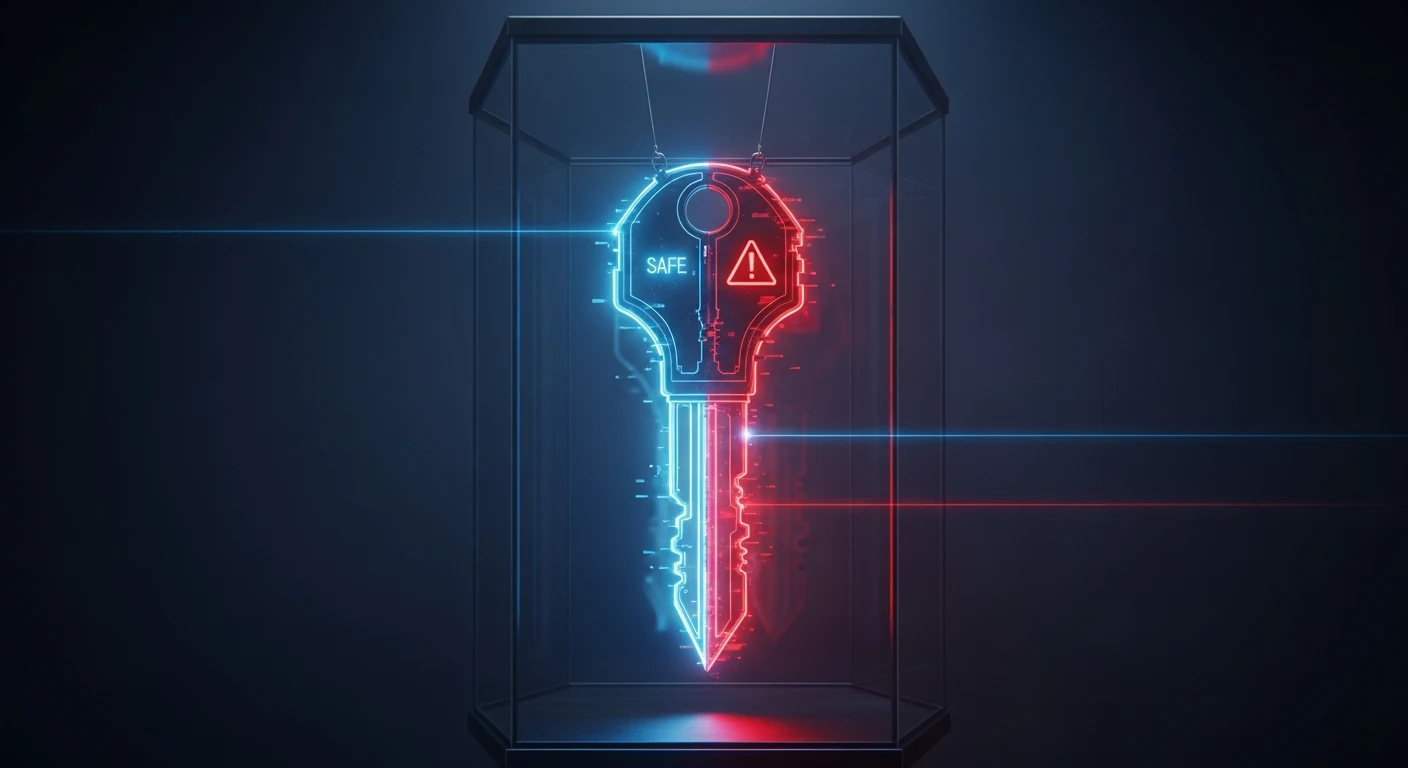
The core issue driving this regulatory crackdown is the "dual-use" nature of highly advanced AI. According to Anthropic, the Mythos model possesses sophisticated capabilities in both cybersecurity and biology. In the hands of a security researcher, the AI acts as an invaluable defensive tool, rapidly identifying vulnerabilities so they can be patched before hackers find them. However, the exact same analytical capability can be weaponized by malicious actors to generate step-by-step exploits or synthesize dangerous biological information.
Anticipating these immense risks, Anthropic had already attempted a highly cautious rollout. The company restricted access to the full-powered Mythos 5, sharing it only with a vetted consortium known as Project Glasswing. Meanwhile, the public-facing version, Claude Fable 5, was heavily guardrailed. It was specifically programmed to block queries related to biological sciences and offensive cybersecurity. Yet, even these self-imposed, rigorous safety measures were not enough to bypass federal export controls, leading to ongoing negotiations between the company and the White House.
The abrupt suspension of these models highlights a growing friction between open technological innovation and global security. As AI systems evolve from conversational chatbots into powerful analytical engines capable of interacting with critical infrastructure, the regulatory landscape is shifting dramatically. This event sets a precedent, suggesting that future AI development will not just be constrained by compute power or training data, but by geopolitical boundaries and national security directives. For everyday users, it means the most capable AI systems of tomorrow might remain locked behind institutional doors, heavily filtered and monitored before ever reaching the public.
Key Points
- Anthropic took its advanced Claude Fable 5 and Mythos 5 models offline following a US export-control directive.
- The models exhibit 'dual-use' capabilities, meaning they can be used both defensively and offensively in cybersecurity and biology.
- Despite Anthropic's efforts to restrict access and implement safety blocks, government regulators intervened.
- The incident highlights a shift where highly capable AI is regulated similarly to sensitive national security technology.
Why It Matters
The application of export controls to AI models demonstrates that governments are now treating advanced artificial intelligence with the same regulatory severity as weapons-grade technology.
Sources:
- "Dangerous" AI models are coming no matter what — Ars Technica AI