
The End of the American Burner Phone
For decades, the "burner phone" has been a staple of both Hollywood thrillers and real-world privacy toolkits. Bought with cash at a local convenience store,...
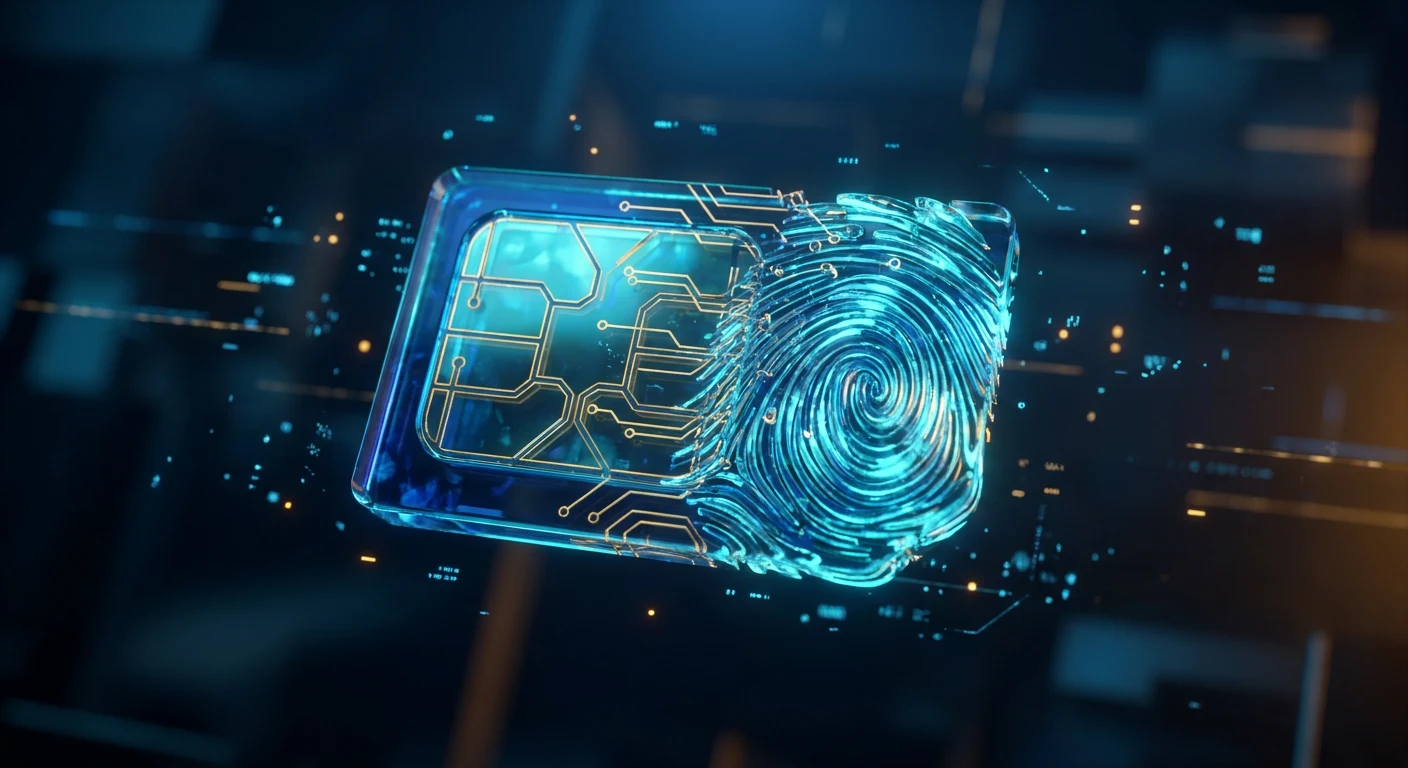
For decades, the "burner phone" has been a staple of both Hollywood thrillers and real-world privacy toolkits. Bought with cash at a local convenience store, these prepaid devices offer a rare commodity in the modern digital era: a communication line completely unlinked to your official identity. But the Federal Communications Commission (FCC) is currently advancing a proposal that would effectively render the anonymous American burner phone extinct.
The new regulatory push aims to force telecommunications companies to collect and retain extensive personal data from virtually all mobile customers. Under the proposed rules, anyone purchasing a new phone plan or renewing an existing one would be required to hand over a government-issued identification number and a physical address. The mandate extends further for business and foreign clients, who would need to disclose the intended use cases for bulk purchases, alongside their IP addresses.
The FCC’s primary target is the sprawling ecosystem of scammers and robocallers who rely on untraceable numbers to defraud consumers. By tethering every active SIM card to a verifiable human being or registered entity, regulators hope to cut off the oxygen supply to these illicit operations.
However, the sweeping nature of the data collection has triggered alarm among civil liberties advocates. Jay Stanley, a senior policy analyst at the American Civil Liberties Union (ACLU), points out that eradicating anonymous communication channels disproportionately harms vulnerable populations. While a burner phone might be a tool for a fraudster, it is equally a lifeline for a domestic abuse survivor trying to establish a safe, untraceable connection to a shelter. It is a necessary shield for whistleblowers and journalists, and often the most accessible communication option for low-income individuals who may lack traditional credit histories or permanent addresses.
The debate highlights a growing friction in our increasingly digitized society. As authorities attempt to build a safer, more accountable communication infrastructure, the default solution is almost always mass data collection. Yet, privacy experts warn that treating anonymity inherently as a threat strips citizens of their right to opt out of the data economy.
Eradicating spam calls and text-message fraud is a universally popular goal. But the FCC’s proposal forces a difficult conversation about collateral damage. In the quest to secure our networks, the complete elimination of anonymous communication asks us to weigh the annoyance of a scam call against the fundamental safety of those who rely on being untraceable.
Key Points
- The FCC is proposing rules that require telecoms to collect government IDs and physical addresses for all mobile plans.
- The initiative is primarily designed to combat scammers who use anonymous numbers.
- Civil rights groups like the ACLU argue this effectively bans burner phones, a crucial privacy tool.
- Vulnerable groups, including domestic abuse survivors and whistleblowers, rely heavily on untraceable communication.
Why It Matters
As governments worldwide push for stricter digital identity verification to fight fraud, the loss of basic anonymous communication tools raises profound questions about privacy, surveillance, and the protection of vulnerable populations.
Sources: