
The Drone in the Rucksack: South Korea's New Military Doctrine
For decades, the basic silhouette of an infantry soldier has remained largely unchanged: helmet, body armor, and a primary firearm. But a radical new...
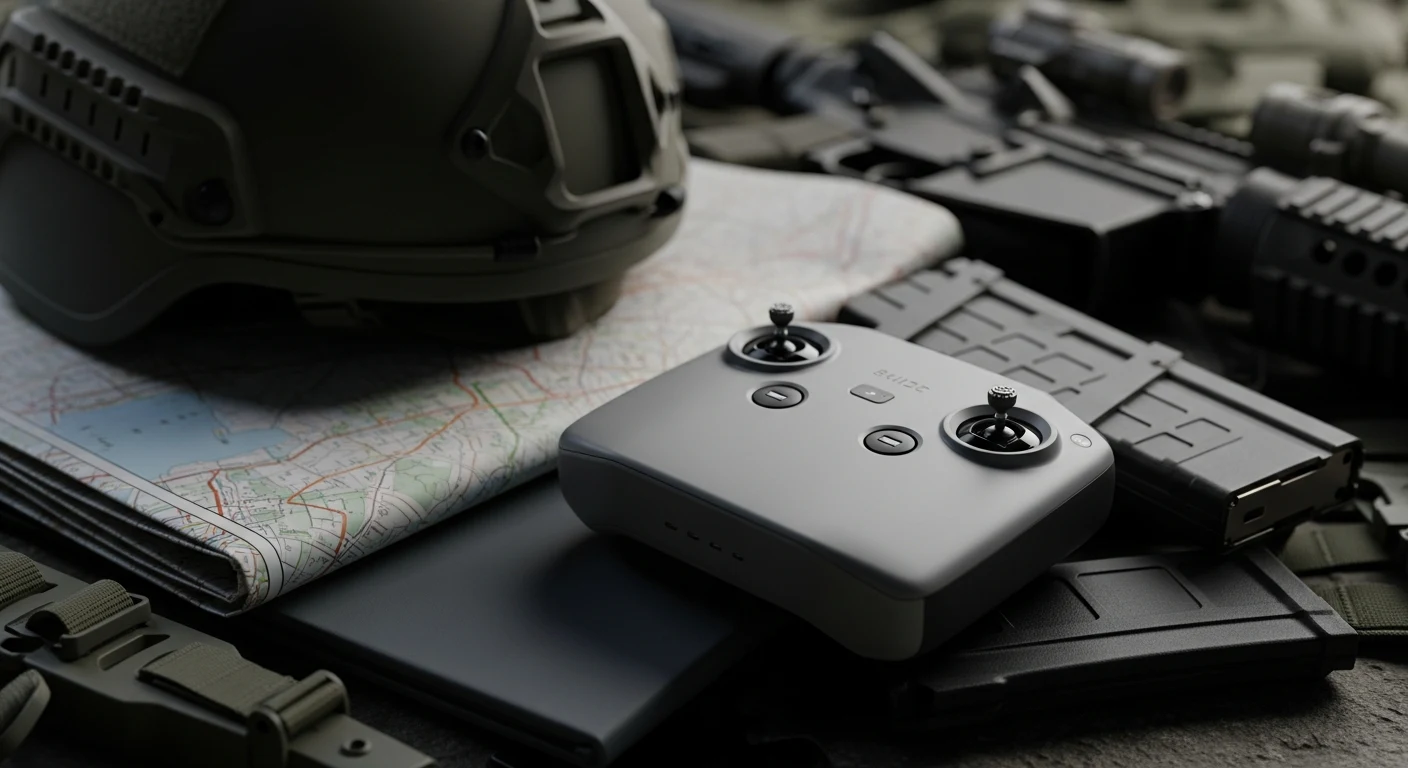
For decades, the basic silhouette of an infantry soldier has remained largely unchanged: helmet, body armor, and a primary firearm. But a radical new initiative from South Korea suggests the soldier of tomorrow will carry an essential new piece of standard equipment—a drone controller.
In a significant shift in military doctrine, South Korea recently announced plans to train every single member of its nearly 500,000-strong military to operate unmanned aerial vehicles. According to Defense Minister Ahn Gyu-back, the ultimate goal is to transform drones into a "universal combat tool," ensuring troops can handle them as instinctively as they would a "second personal weapon."
This sweeping mandate is rooted in both regional realities and global observations. Regionally, South Korea is locked in a 70-year standoff with North Korea, a neighbor with a numerically larger military force. Maintaining a technological edge is a matter of national survival. Globally, South Korean military planners have been closely watching recent conflicts in Ukraine and the Middle East. These battlefields have served as live testing grounds, proving that cheap, commercially available drones can disrupt traditional military formations, execute precision strikes, and provide unprecedented situational awareness.
To realize this "drone warrior" vision, the South Korean military is undergoing structural changes. It is moving away from treating drones as highly specialized assets reserved for elite units. Instead, individual military units will be equipped with swarms of inexpensive, expendable drones designed for both surveillance and strike missions. Simultaneously, to protect its own forces from similar threats, the military is ramping up the deployment of counter-drone technologies, including laser and microwave weapons.
Perhaps the most telling change is happening behind the scenes. South Korea's drone operations command headquarters is being reorganized. Rather than focusing solely on direct combat command, the new structure will prioritize collaboration with the civilian tech industry. By tapping into the rapid innovation cycles of commercial drone manufacturers, the military hopes to quickly develop and procure cutting-edge technologies.
South Korea’s initiative highlights a profound transformation in modern defense strategy. The democratization of airpower down to the individual soldier level indicates that future security may depend less on multi-billion-dollar fighter jets, and more on the mass deployment of accessible, easily replaceable, and increasingly intelligent robotic tools. It also serves as a stark reminder of how rapidly commercial technology is reshaping the realities of global conflict.
Key Points
- South Korea aims to train all 500,000 of its troops to operate drones as easily as firearms.
- The defense ministry envisions drones as a 'second personal weapon' for every soldier.
- The shift is heavily inspired by the use of cheap, commercial drones in Ukraine and the Middle East.
- South Korea is restructuring its drone command to work directly with the commercial tech industry.
Why It Matters
By democratizing drone operation to the infantry level, South Korea is adapting to a new era of warfare where cheap, expendable technology can counter traditional military mass.
Sources:
- South Korea plans to train entire military as "drone warriors" — Ars Technica AI