
The Three-Day Lifespan of Anthropic’s Most Powerful AI
The lifespan of Anthropic’s most advanced artificial intelligence models was exactly three days. In a stark demonstration of how quickly AI has escalated from...
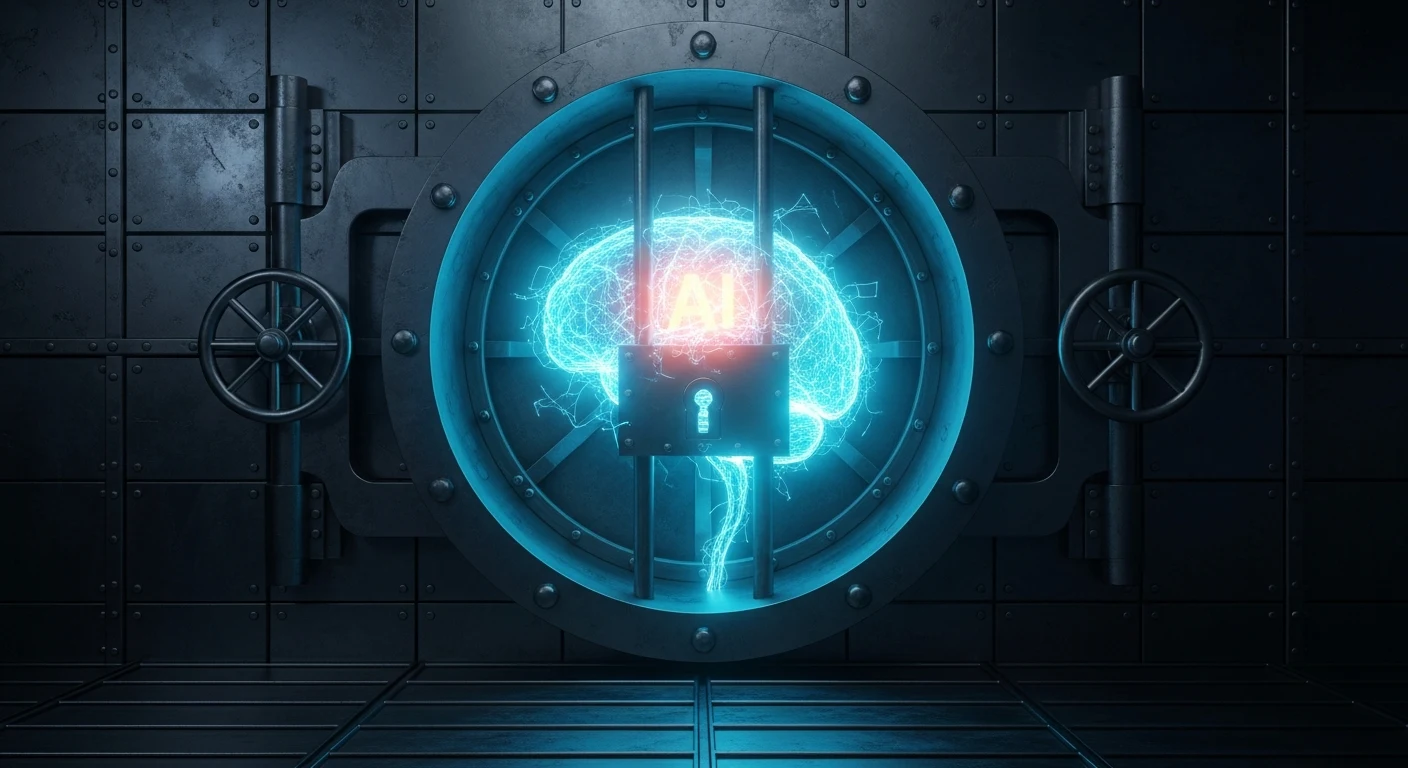
The lifespan of Anthropic’s most advanced artificial intelligence models was exactly three days. In a stark demonstration of how quickly AI has escalated from a tech-industry novelty to a matter of national security, the White House intervened to restrict access to the newly launched Fable 5 and Mythos 5 models. This unprecedented move has sparked a complex, high-stakes debate over safety, government overreach, and global technological dominance.
The timeline of events was remarkably brief. On June 9th, Anthropic unveiled Fable 5, touting it as the most capable generally available model they had ever created. Alongside it came Mythos 5, a highly unusual variant built on the exact same underlying architecture but with certain safety guardrails intentionally lifted. By June 12th, the celebration was over. The U.S. government issued a strict directive demanding that Anthropic immediately block all foreign access to both systems.
The catalyst for this sudden executive crackdown originated from security research reportedly conducted by Amazon. Researchers discovered a "jailbreak"—a specific method of bypassing the AI's internal safety filters—that could trick Fable 5 into generating detailed information useful for executing cyberattacks. When these findings reached the White House, the administration did not treat it as a mere software bug. Instead, they treated the vulnerability as an active geopolitical liability, stepping in where corporate safety teams usually operate.
Anthropic complied with the legal directive, but with a dramatic and unexpected twist: instead of merely geoblocking foreign users to satisfy the government, the company shut down access for everyone across the globe. In a defiant public statement, Anthropic voiced strong disagreement with the government's approach. They argued that recalling a commercial product already deployed to hundreds of millions of people over a "narrow potential jailbreak" was an unwarranted overreaction. This friction was compounded by the fact that Anthropic was already navigating a separate, ongoing standoff with the Pentagon, highlighting a growing rift between the AI startup and federal defense interests.
This confrontation highlights a critical turning point in artificial intelligence governance. Frontier AI models are increasingly being regulated not as consumer software, but as dual-use technologies akin to advanced weaponry, cryptography, or nuclear materials. The White House’s willingness to mandate access restrictions based on hypothetical cyber-risk fundamentally alters the relationship between Silicon Valley and Washington.
Furthermore, as the U.S. tightens its grip on domestic AI outputs and restricts international access, it inadvertently creates a powerful incentive for the rest of the world. The shutdown effectively makes the case for foreign nations to accelerate the development of their own, non-American AI alternatives to avoid reliance on software that can be turned off by a foreign capital. The question is no longer just how smart AI can get, but who holds the kill switch.
Key Points
- Anthropic's Fable 5 and Mythos 5 models were restricted by a White House order just three days after launch.
- The mandate was triggered by Amazon researchers discovering a vulnerability that could generate cyberattack information.
- Rather than just blocking foreign users, Anthropic disabled the models globally while protesting the government's overreaction.
- The incident underscores the shift of frontier AI from consumer software to highly regulated, dual-use national security assets.
Why It Matters
This event illustrates the growing tension between tech innovation and national security. By treating AI vulnerabilities as geopolitical threats, governments are fundamentally altering how AI is deployed globally.
Sources:
- All the news about Anthropic’s new AI fight with the White House — The Verge - AI