
The Era of the Invisible AI Influencer
The perfect internet influencer never gets tired, never demands a higher floor for her hotel room, and never ages. In fact, she doesn't even breathe. We are...
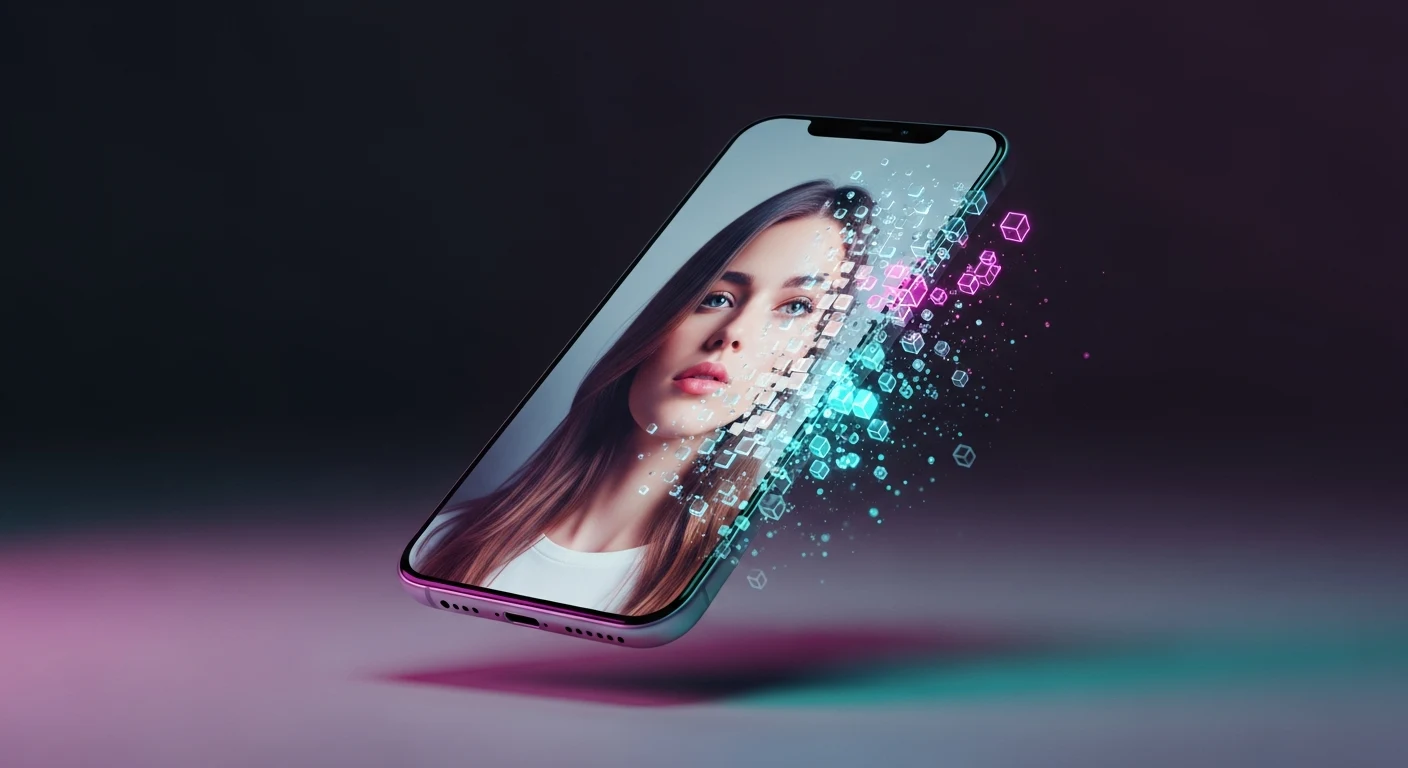
The perfect internet influencer never gets tired, never demands a higher floor for her hotel room, and never ages. In fact, she doesn't even breathe.
We are currently witnessing a quiet but profound shift in the creator economy. Not long ago, virtual influencers were a fascinating, albeit obvious, novelty. Think back to pioneers like Lil Miquela with her signature blunt fringe and freckles, Imma with her vibrant pink bob, or the digital supermodel Shudu Gram. They were striking, but they were clearly born of pixels and code. When we double-tapped their posts, we were marveling at the artistry of 3D designers, fully aware that we were looking at a digital canvas.
Fast forward to today, and the dividing line between human and algorithm has blurred into near invisibility. Take Aitana Lopez, an AI-generated persona crafted by the creative agency The Clueless. Unlike her predecessors, the new generation of synthetic creators isn't designed to look like a polished, high-end 3D model. Instead, they are engineered to look like the girl next door who just happens to have a great photographer. By mimicking the casual lighting, slight imperfections, and candid framing of everyday social media posts, these AI avatars bypass our visual defense mechanisms. As we scroll rapidly through our feeds, they are becoming remarkably hard to spot.
This evolution from "obvious novelty" to "invisible synthetic" challenges the very foundation of social media: the illusion of authenticity. We are now routinely forming parasocial bonds with algorithms. For brands and marketing agencies, this is a dream come true—total creative control, zero travel expenses, and absolutely no risk of a real-world scandal. But for the everyday user, it scrambles our baseline for reality.
As these AI creators become an indistinguishable part of our digital landscape, our relationship with social media will inevitably shift. The future of online influence might not belong to those who live the most glamorous lives, but to the prompt engineers who can imagine them best. We don't necessarily need to log off in protest, but we do need to upgrade our digital literacy, recognizing that the "authentic lifestyle" we admire online might just be the output of a very clever machine.
Key Points
- Early virtual influencers like Shudu Gram and Imma were distinctively digital and treated by audiences as digital art or novelty.
- Modern AI influencers, such as Aitana Lopez, are specifically designed to mimic everyday human photography, making them incredibly difficult to identify.
- This shift challenges our visual literacy and alters the fundamental authenticity of the creator economy.
Why It Matters
As synthetic personas become indistinguishable from real humans, the foundation of social media trust and parasocial relationships is fundamentally altered, requiring a new level of media literacy from users.
Sources:
- AI ‘content creators’ are getting harder to spot — The Verge - AI