
A Glimpse into 2026: How Siri Could Finally See Your Screen
When Apple first unveiled "Apple Intelligence" in 2024, the tech world was left with a mix of excitement and skepticism. The gap between slick keynote demos...
When Apple first unveiled "Apple Intelligence" in 2024, the tech world was left with a mix of excitement and skepticism. The gap between slick keynote demos and everyday utility is notoriously wide. But what happens when the technology finally catches up to the promise? Developer Simon Willison recently mapped out a compelling technical projection for Apple’s WWDC 2026, offering a glimpse into how Siri might evolve from a basic voice assistant into a truly context-aware agent.
The most significant leap in this vision involves Vision Large Language Models (Vision LLMs). Historically, for Siri to interact with a third-party app, the app's developer had to write custom code to integrate with Apple's ecosystem. Willison suggests a future where Siri simply "reads" the screen. By using Vision LLMs to extract information visually—just as a human user would—Apple could bypass the developer bottleneck entirely. Siri would instantly understand whatever is on your display, regardless of whether the app officially supports AI integration.
But processing that level of complex, agentic reasoning requires serious computational horsepower—perhaps more than a smartphone can handle locally. This leads to a fascinating infrastructure prediction: the expansion of Apple's Private Cloud Compute (PCC). To handle demanding tasks, Apple might partner with Google Cloud, utilizing heavy-duty NVIDIA GPUs.
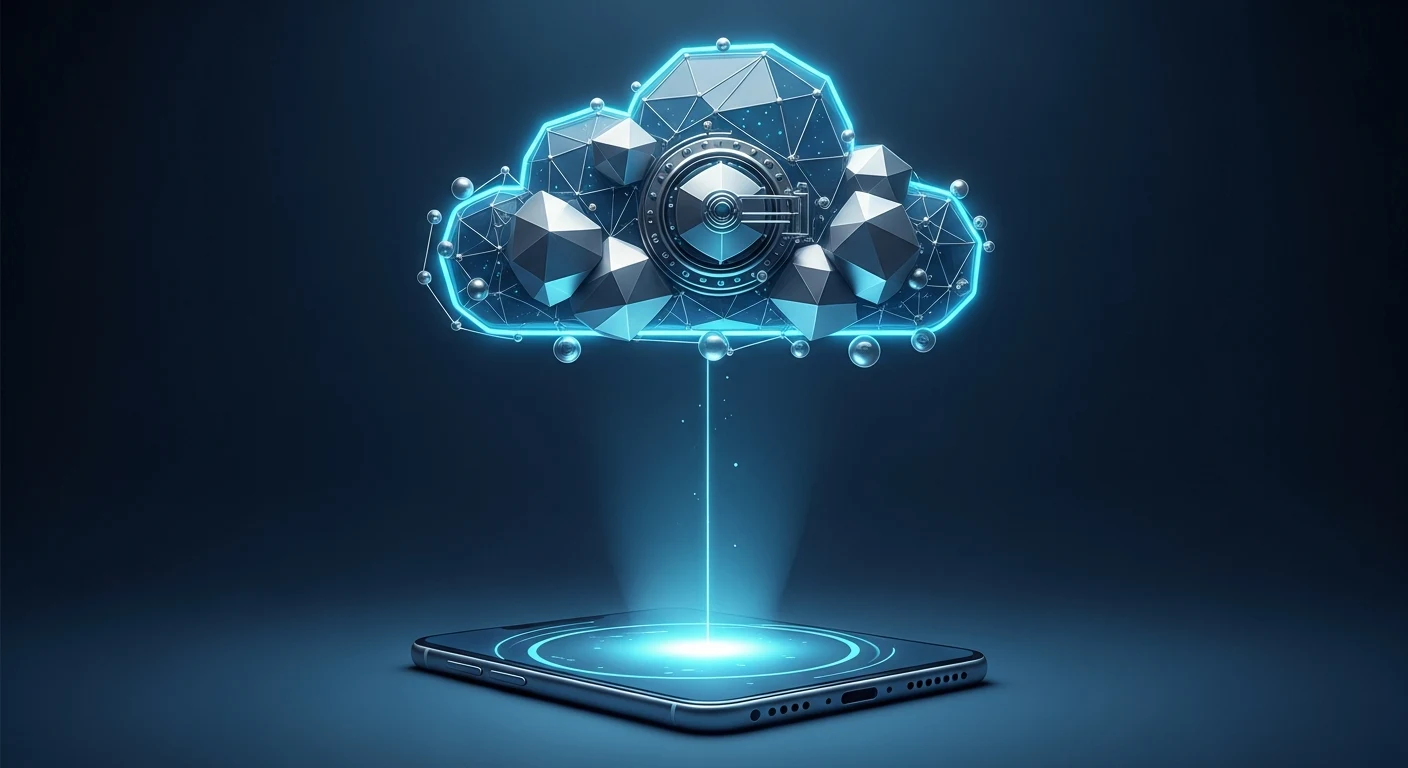
For a company that stakes its reputation on privacy, sending user data to Google's servers sounds like a massive contradiction. However, the architecture solves this through intense cryptographic isolation. When a complex request leaves your phone, it would enter a dedicated, isolated namespace in the cloud. The software processing your request would have a short "time-to-live"—meaning it exists just long enough to answer your question before self-destructing. Furthermore, cryptographic keys would be held in secure, confidential virtual machines. Essentially, Apple would be renting Google's processing power while keeping your data inside an impenetrable, temporary vault.
On the developer side, the ecosystem is also expected to open up. The projection highlights a mature Core AI library that bridges seamlessly with PyTorch, the wildly popular open-source machine learning framework. This would allow developers to easily translate existing AI models to run natively on Apple hardware.
While this 2026 scenario is a thought experiment, it perfectly outlines the hurdles the industry must clear. The future of consumer AI isn't just about smarter models; it's about seamless screen awareness, secure cloud partnerships, and developer-friendly tools. Until then, a healthy dose of "I'll believe it when I see it" remains the best approach.
Key Points
- Vision LLMs could allow Siri to visually extract data from screens, eliminating the need for custom app integration.
- Apple may expand its Private Cloud Compute to utilize Google Cloud and NVIDIA GPUs for heavy AI workloads.
- Privacy on third-party clouds can be maintained using ephemeral processing and confidential virtual machines.
- New developer tools are expected to easily convert open-source PyTorch models for native Apple hardware execution.
Why It Matters
This technical projection highlights the dual challenge of next-generation AI: delivering massive computational power for advanced reasoning while maintaining an unbreakable standard of user privacy.
Sources:
- Siri AI at WWDC 2026 — Simon Willison's Weblog