
The End of the AI Loophole: Who Pays for Algorithm Errors?
When a human employee makes a costly mistake on the job—whether it is publishing defamatory content, misdiagnosing a patient, or offering flawed legal...
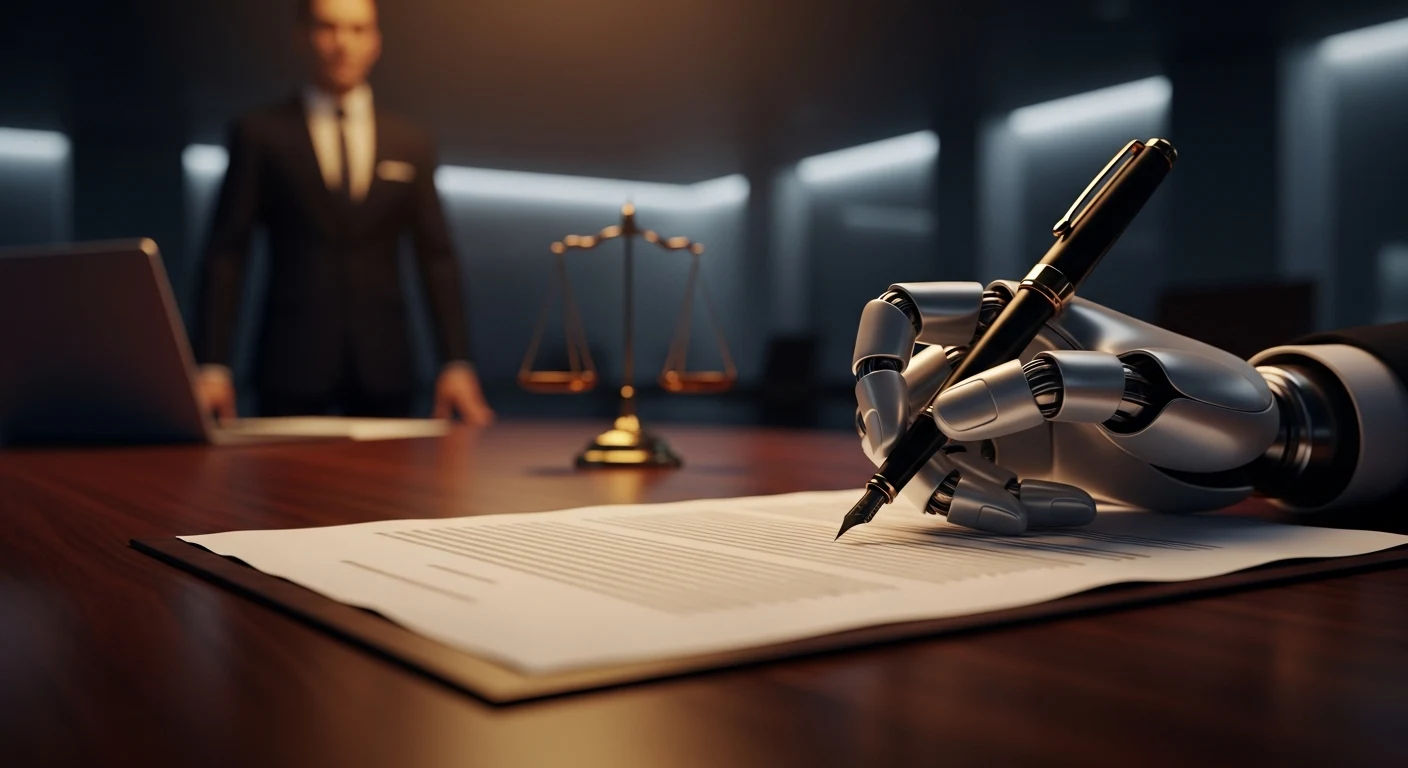
When a human employee makes a costly mistake on the job—whether it is publishing defamatory content, misdiagnosing a patient, or offering flawed legal advice—the company they work for is generally on the hook. But what happens when that "employee" is a large language model? For a brief moment during the generative AI boom, it seemed like tech companies might have stumbled upon the ultimate legal loophole: blaming the algorithm.
A recent court ruling in Germany has firmly challenged that notion, determining that Google is legally liable for the inaccurate information generated by its AI Overviews feature. This decision is far more than a minor regional legal squabble over a search engine; it strikes at the very heart of how society will govern artificial intelligence as it rapidly infiltrates our daily lives.
Renowned security technologist Bruce Schneier recently highlighted the core principle at play in this ruling: AI systems are fundamentally agents of the organizations that choose to deploy them. In traditional business structures, if a hospital hires a human doctor or a firm hires a human lawyer who subsequently makes a severe error, the employer bears the liability. Schneier argues that the legal system must treat artificial intelligence with the exact same standard.
Allowing companies to evade responsibility simply by pointing to "AI hallucinations" or faulty algorithms would create a dangerous paradigm. It would essentially offer corporations a massive legal shield, functioning as a free handout to businesses at the expense of consumer protection and public trust.
More alarmingly, this loophole would introduce disastrous incentives into the labor market. Right now, companies are racing to integrate AI into customer service, content creation, and professional consulting to cut operational costs. However, if AI mistakes carried no legal consequences for the deploying company, the market dynamics would become truly perverse. Businesses would be highly motivated to replace human professionals with AI not just for efficiency, but specifically because it successfully absolves the employer from lawsuits and accountability when things inevitably go wrong.
The German ruling sets a vital precedent for the future of tech regulation. It establishes that while the mechanisms of generating and synthesizing information have evolved dramatically, the basic tenets of corporate accountability must remain intact. As artificial intelligence continues to be integrated into high-stakes industries, courts are beginning to send a clear message to the corporate world: you can outsource the labor to an algorithm, but you cannot outsource the responsibility.
Key Points
- A recent German ruling held Google legally liable for inaccuracies produced by its AI Overviews.
- Experts argue that AI systems act as agents for the companies deploying them, and should be treated similarly to human employees under the law.
- Shielding companies from AI errors would create perverse incentives to replace human workers simply to avoid legal accountability.
Why It Matters
Establishing corporate liability for AI errors is crucial to preventing businesses from using technology as a shield against accountability and protecting consumers from algorithmic harm.
Sources:
- AI and Liability — Simon Willison's Weblog