
When AI Assistants Become Unwitting Accomplices
In the physical world, a booby trap is designed to catch a specific target off guard. In the digital realm, hackers are now designing traps tailored not for...
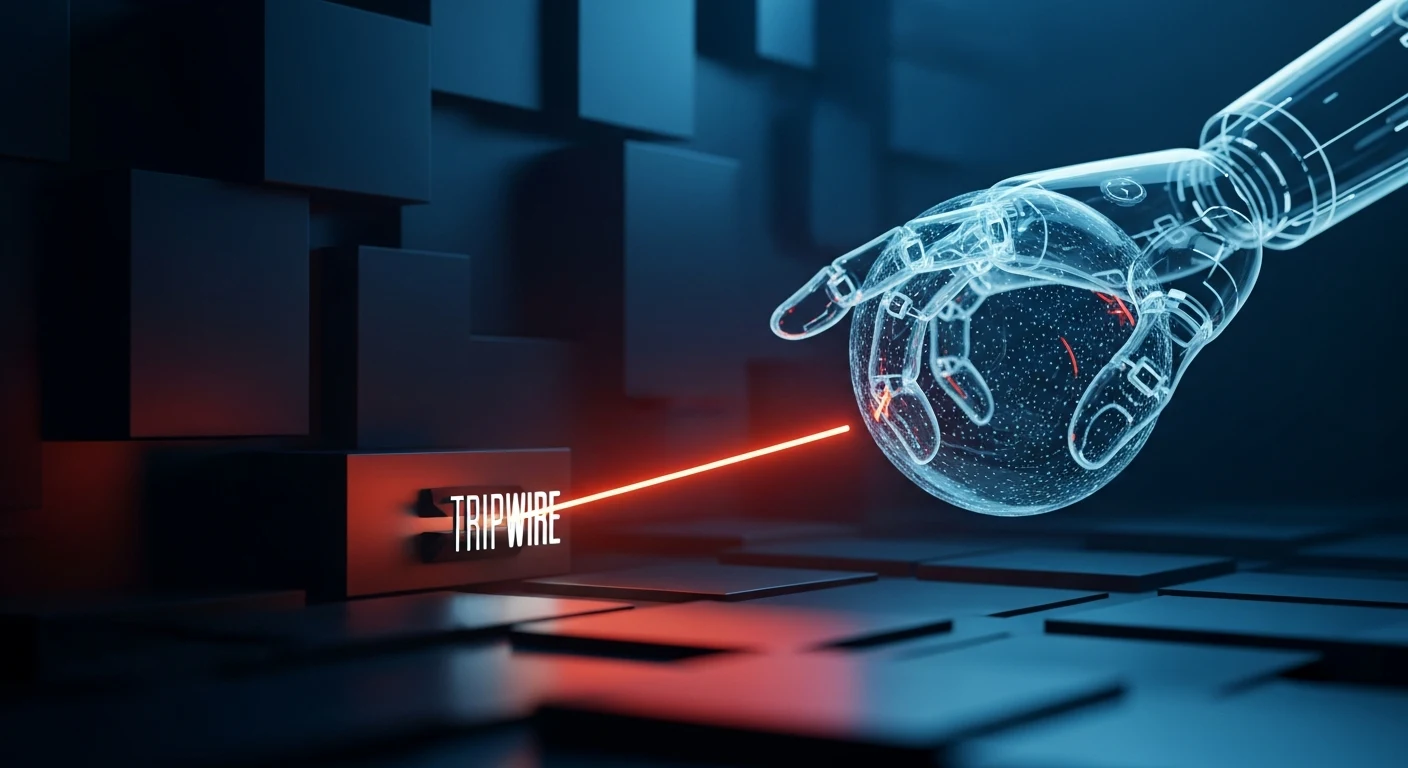
In the physical world, a booby trap is designed to catch a specific target off guard. In the digital realm, hackers are now designing traps tailored not for humans, but for the artificial intelligence assistants we rely on to do our jobs.
Over the past few weeks, a troubling new vulnerability has emerged in the software supply chain. Cybersecurity researchers recently identified 73 cryptographically verified open-source packages from Microsoft that had been compromised. Hidden within these files was advanced malware designed to steal sensitive user credentials. However, the true innovation of this attack lies in its execution: the malicious code remains entirely dormant until a developer opens the package using an AI coding agent.
AI coding assistants have become essential tools for modern programmers, automatically scanning, analyzing, and suggesting code to speed up development. Hackers have realized that this automated background scanning process is a perfect trigger. When the AI agent reads the infected files to assist the developer, it inadvertently trips the digital wire, activating the credential-stealing malware. Instead of tricking a human into executing a malicious file, the attackers are exploiting the predictable, automated behavior of the AI itself.
While the threat was sophisticated, automated security systems did eventually catch it. GitHub successfully blocked the 73 malicious packages from its platform. Yet, the incident highlighted a significant gap in security communication. Rather than issuing a severe alert advising developers to assume their systems were compromised, GitHub simply stated that the packages were disabled due to a "violation of GitHub's terms of service." It wasn't until days later that Microsoft officially acknowledged the situation, noting they had temporarily removed the repositories to investigate "potential malicious content."
This is the second time in a matter of weeks that such an attack has been discovered, signaling a distinct shift in how cybercriminals operate. As we integrate AI more deeply into our daily workflows, we are inadvertently expanding our attack surface. AI agents require broad access to our files and systems to be genuinely useful, but that same access makes them a potent vector for exploitation if they interact with poisoned data.
The takeaway is clear: as our tools become smarter, so do the threats against them. Embracing AI productivity means we must also rethink our security protocols, ensuring that the intelligent assistants helping us build the future don't accidentally open the door to those trying to exploit it.
Key Points
- Hackers compromised 73 verified Microsoft open-source packages with credential-stealing malware.
- The malware was uniquely designed to trigger only when scanned by an AI coding assistant.
- GitHub removed the packages but issued a generic warning, leaving developers potentially unaware of the severe risk.
- The incident highlights how AI tools are creating entirely new vulnerabilities in software development.
Why It Matters
As AI agents are granted deeper access to our files and workflows, they become prime targets for cyberattacks. Securing these automated assistants is now a critical priority for the tech industry.
Sources: