
The Traffic Cameras Scanning Your Smartwatch
We often worry about the apps on our smartphones tracking our physical locations, but we rarely think about the hardware itself. Every day, the smart devices...
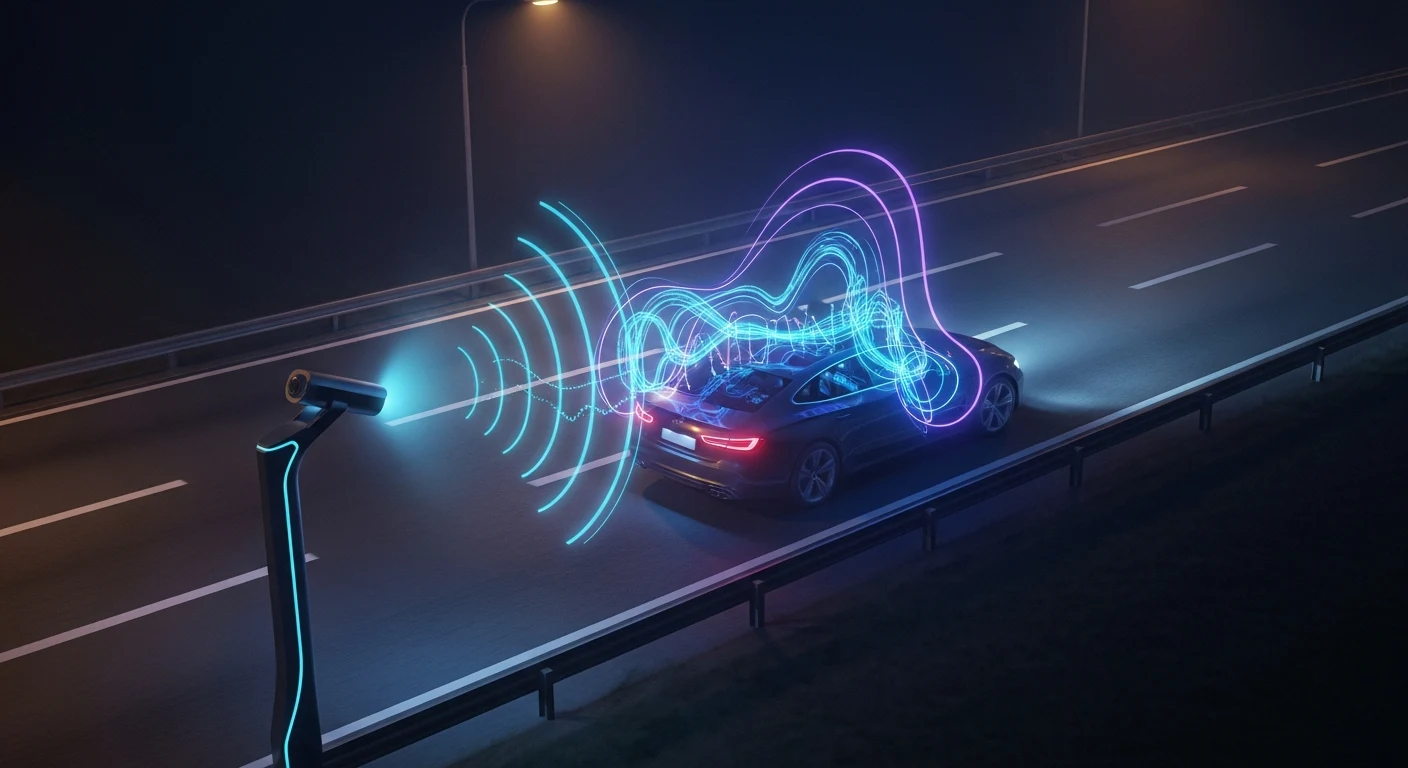
We often worry about the apps on our smartphones tracking our physical locations, but we rarely think about the hardware itself. Every day, the smart devices we carry—our fitness trackers, wireless earbuds, and even the tire pressure sensors in our cars—silently broadcast unique identifiers to the world around them. Now, a new breed of surveillance technology is listening in.
A surveillance company named Leonardo is marketing a product called SignalTrace, which aims to transform how Automatic License Plate Readers (ALPRs) operate. Traditionally, these roadside cameras do exactly what their name suggests: they take a photo of a passing car and log its license plate. SignalTrace, however, augments these cameras with sensors designed to vacuum up the invisible radio frequencies emitting from the car's interior.
According to product documents, the system sweeps up Bluetooth, Wi-Fi, and RFID signals. This means it isn't just looking for your car; it's logging the MAC addresses of your mobile phone, your laptop, your office key card, and even the microchip implanted in your dog.
The true power of this technology lies in correlation. If a specific smartphone, a smartwatch, and a vehicle infotainment system consistently travel together past these sensors, SignalTrace's algorithms bind them together with the vehicle's license plate and time-stamped location data. It creates a unique "electronic fingerprint" for that specific car and its occupants.
For law enforcement agencies, the appeal is obvious. If a suspect swaps their license plate or borrows a different vehicle, traditional ALPR networks might lose the trail. But people rarely leave their personal ecosystem of gadgets behind. By storing these correlation data points for future queries, investigators can track the digital cluster of devices rather than just the physical vehicle.
However, the deployment of such technology raises profound questions about the nature of privacy in public spaces. We purchase interconnected devices for convenience, rarely considering that the very signals allowing our headphones to pair seamlessly with our phones are also announcing our presence to roadside infrastructure.
As the gap between tracking vehicles and tracking the actual humans inside them closes, the definition of a "digital footprint" is expanding. The next frontier of privacy isn't just about managing screen time or checking app permissions; it is about understanding the invisible radio waves tying our physical bodies to the surveillance grid.
Key Points
- SignalTrace technology upgrades traditional license plate readers with sensors to capture Bluetooth, Wi-Fi, and RFID signals.
- It logs unique identifiers from everyday items like wireless earbuds, laptops, and tire pressure sensors.
- Algorithms group these devices together to create an 'electronic fingerprint' linked to a specific vehicle.
- This allows investigators to track individuals based on their devices, even if a car's license plate is removed or changed.
Why It Matters
By turning the passive signals of our everyday gadgets into a trackable web, this technology shifts public surveillance from monitoring vehicles to identifying the specific individuals inside them.
Sources: